
Heavy Fabrication Product Types Ranked: Where Custom Metal Fabrication Pays Off First
Heavy Fabrication Product Types Ranked: Where Custom Metal Fabrication Pays Off First
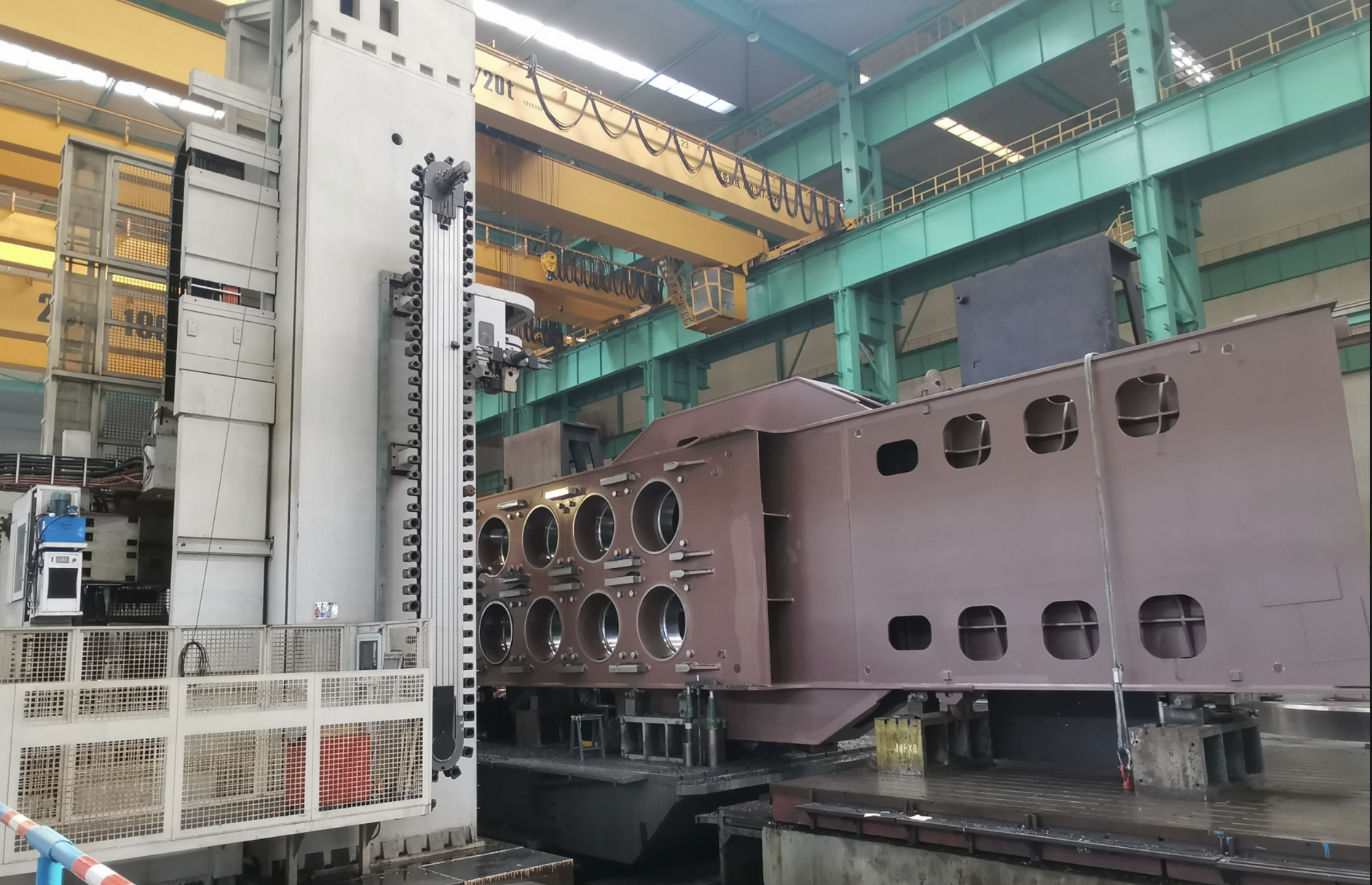
A large CNC milling and drilling center at the Openex manufacturing premise near Shanghai Port, used to machine heavy weldments after fabrication.
The five heavy fabrication categories that most often justify custom metal fabrication are, in ranking order: heavy equipment skids, large welded crossbeams, large industrial weldments, heavy-duty industrial equipment enclosures, and multi-cylinder hydraulic cone crusher components. The order is a sourcing recommendation rather than a product list. It ranks each category by three practical tests: how much downstream work a failure creates, how many processes have to stay inside one tolerance chain, and how hard the part is to rework once it has left the shop.
Each entry below states the structural or precision problem the category solves, the reference parameters that define it, and the industries that typically source it. All figures come from first-party fabrication data from Xiamen Openex Mechanical Technology Ltd and from published market data where a source is named.
Why Heavy Fabrication Orders Fail Before Delivery
Most heavy fabrication failures are not welding failures. They are interface failures that appear weeks later, during installation or commissioning. Three patterns explain most of them.
Welding and machining split across two suppliers. When a weldment is machined by a different company than the one that welded it, the datum has to be re-established on a part that has already moved. Every clamp change re-introduces positioning error, and nobody owns the final dimension.
Distortion over long spans. Thin-to-medium plate behaves differently than short, thick sections. An ultra-long formed steel box section 8,000 mm long in 6 mm plate is specified to an overall straightness of 3.0 mm per 10,000 mm, which is a process-control result, not an inspection result. Control of springback, residual stress and dimensional deviation has to be designed into the sequence.
Interfaces that must stay flat after welding. The real difficulty is not welding, it is welding and then holding a machined relationship: mounting-pad flatness of 0.20 mm per 1,000 mm on a heavy equipment skid, guide straightness of 0.10 mm per 1,000 mm on a large welded crossbeam, datum-pad flatness of 0.15 mm per 1,000 mm on a large industrial weldment, and ground-top flatness of plus or minus 0.001 in cumulative on a heavy machine base. Those values can only be produced if the part is machined after welding, in a controlled sequence.
This is the reason the ranking below is ordered by interface risk rather than by weight or by material volume. The categories where one machined surface carries an entire machine come first.
What the Heavy Fabrication Market Looks Like Right Now
Demand for fabricated metal products is not a niche activity. Sold production of fabricated metal products was valued at USD 2.35 trillion in 2024, according to Strategic Market Research. Within that figure, steel fabrication growth is projected at a 3.3% CAGR for 2025 to 2035 by Market Research Future, while Mordor Intelligence reports 7.14% for 2025 to 2030. The gap is a scope and methodology difference rather than a contradiction: one series focuses strictly on the fabrication service layer, the other appears to include a broader steel output base. Buyers should treat the pair as a growth band, not as a single number.
Material and application structure matter just as much for sourcing decisions. In North America, steel accounts for 63.2% of material share in structural and heavy frames, according to 2024 commercial research aggregated by Report Insight and Mordor. Globally, structural steel components represent a 39.3% application share within construction-related metal fabrication, per Market Data Forecast. On the process side, adoption of CNC cutting, robotic welding and laser technology stood at 48% in 2024, which means roughly half of the market still depends on manual process control for dimensional consistency. In the United States alone, fabricated metal product manufacturing employment in NAICS 332 was 1,460.8 thousand people in August 2024, based on Bureau of Labor Statistics data.
One standard sits underneath all heavy fabrication procurement: ASME BPVC Section IX, which governs welding and brazing qualifications and is the reference point for procedure and personnel qualification on pressure-containing and critical structural work.
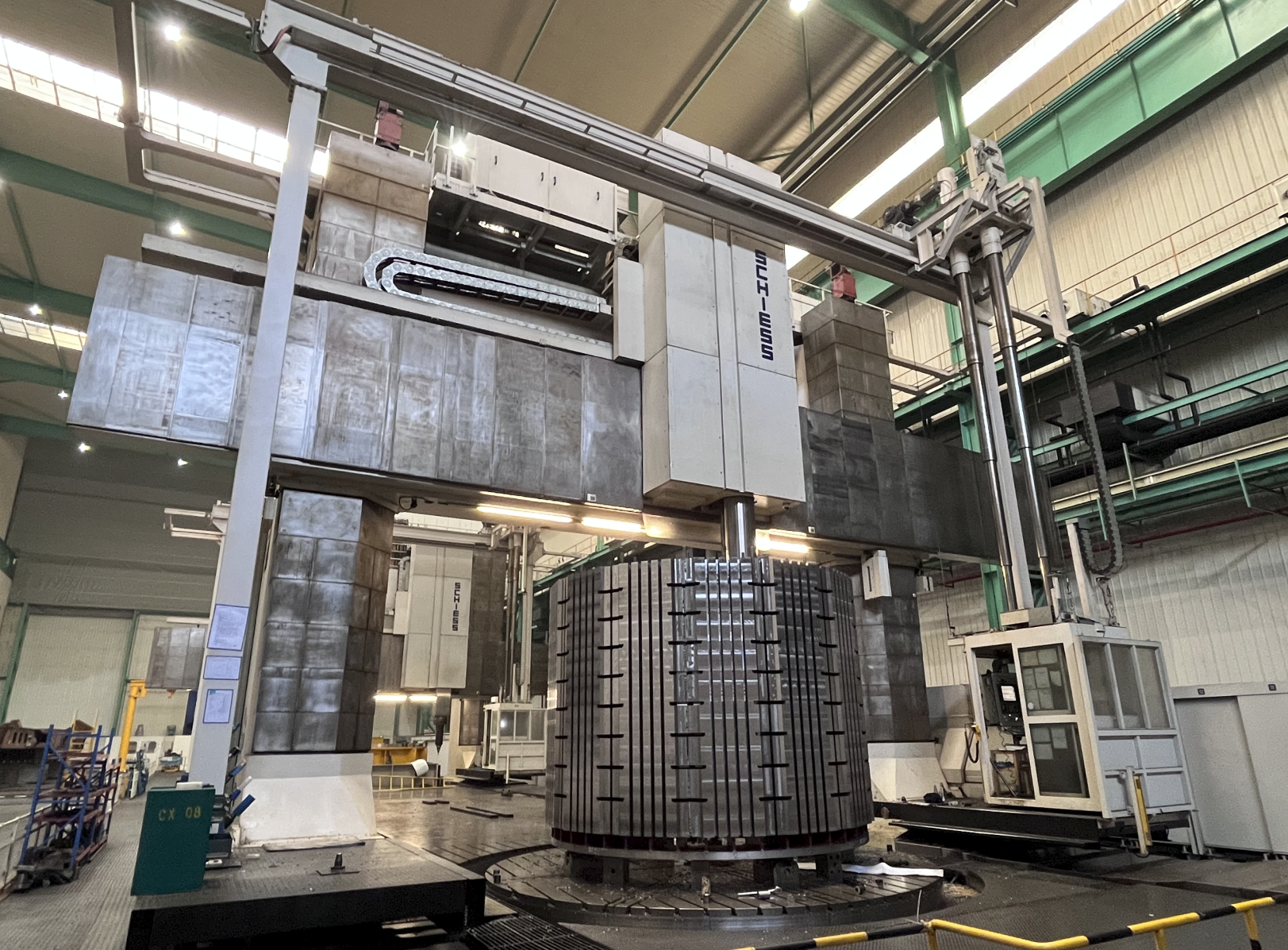
A double-gantry, seven-axis, five-linkage machining center that completes milling, boring, drilling, turning and grinding in a single setup, eliminating repeated positioning errors from multiple clamping.
The supplier context for this article is Xiamen Openex Mechanical Technology Ltd, founded in 2009 and operating two manufacturing premises near Xiamen Port and Shanghai Port. The company runs a 30,000 square metre facility with 200 employees and 35 engineers, produces around 20,000 tons annually, and exports about 80% of its output to the EU, USA, Australia, New Zealand, Japan, Singapore, South America and the Middle East. Its process scope covers laser cutting, bending, punching and stamping, welding, machining and assembly, plus roll forming, casting, forging, galvanizing and powder coating. Overhead crane tonnage exceeds 250 tons, maximum bending machine length and tonnage exceeds 18 metres and 10,000 tons, and maximum CNC machine tool travel reaches 50 m x 8 m x 7 m.
Heavy Fabrication Product Types Ranked: 1 to 5
1. Heavy Equipment Skids
A heavy equipment skid is the welded base plate that carries a compressor, turbine, generator or petrochemical package and transfers its load into a foundation. The reference configuration is 8,000 x 3,000 x 1,200 mm, built from H300 to H500 primary members with an estimated skid mass of 12 to 20 t for a design equipment load of 30 to 60 t.
The problem it solves is interface flatness under load. Mounting-pad flatness is held to 0.20 mm per 1,000 mm, which is achievable only if the skid is welded, stress-relieved and then machined. When pad flatness drifts, the cost reappears later as shimming, soft-foot vibration, coupling misalignment and premature bearing wear. Because a skid is the datum for everything installed on it, an error here multiplies through the whole package.
Material follows the service: ASTM A36 or ASTM A572 Grade 50 for standard process duty, with SS304 available for corrosive service. The industries that typically buy this category are oil and gas, petrochemical and refining, offshore and marine, shipyards, mining and heavy manufacturing, in applications covering compressors, turbines, generators and petrochemical equipment.
It ranks first because the fabrication scope is contained while the penalty for missing flatness and lifting-point requirements is the highest of the five categories. Final load rating and lifting points still require structural review before release.
2. Large Welded Crossbeams
A large welded crossbeam is the box-girder weldment that carries the moving or structural loads of a press brake, gantry machine or heavy forming line. A typical reference configuration runs 6,000 to 10,000 mm long, uses a box section of 800 to 1,200 by 600 to 900 mm with 25 to 60 mm plate, and weighs an estimated 12 to 30 t. Guide straightness is specified at 0.10 mm per 1,000 mm.
The structural problem is span. As a beam gets longer, welding heat input produces bow and twist faster than most shops can correct on a bench. The precision problem follows immediately, because a crossbeam is simultaneously a weldment and a machine guide, and its machined faces must remain parallel and straight over the full length after welding. Material selection is ASTM A572 Grade 50, EN S355J2+N or Q355B, chosen for strength at section sizes that stay liftable.
The industries are concentrated in heavy equipment manufacturing, feeding press brakes, gantry machines and heavy forming equipment. Buyers are usually machine builders who already have a load case and need a supplier who can weld a 10-metre box and then machine its guide surfaces without re-fixturing the part at a second supplier.
It ranks second because the tolerance is tighter than a skid while the part count and the number of downstream interfaces remain low. Final section and weld design require load analysis.
3. Large Industrial Weldments
A large industrial weldment is a precision-machined structure that combines heavy plate welding with finished machining on the same part. The reference envelope reaches 6,000 x 3,000 x 2,500 mm, with 20 to 80 mm plate thickness, a finished mass of 15 to 40 t, a general machined tolerance of plus or minus 0.20 mm and datum-pad flatness of 0.15 mm per 1,000 mm. Materials are ASTM A36, ASTM A572 Grade 50, or SS304 and SS316L when specified.
What it solves is the tolerance chain. On this type of part, the datum scheme crosses welds: a machined pad on one side of the weldment locates a housing on the other. Every unit of weld distortion not removed by post-weld machining becomes an alignment error. The practical value of buying fabrication and machining together is that the datum is established once, after welding, and then used through boring, milling and final inspection.
The industries are heavy equipment manufacturing and aerospace and defence, feeding power generation, aerospace and heavy industrial equipment programmes. It ranks third because the risk is spread across several machined interfaces rather than concentrated on one guide surface. Actual envelope and achievable tolerance depend on the datum scheme agreed at order review.
4. Heavy-duty Industrial Equipment Enclosures
Heavy-duty industrial equipment enclosures are welded housings that protect and position internal machinery. The reference range is 2 to 8 tons, 7 to 12 m in length and 10 to 16 mm in wall thickness, in carbon steel Q355 or stainless steel 316, with plate from 1.5 to 25 mm.
Two problems meet in this category. Structurally, long and relatively thin walls distort during welding, so straightness and squareness targets have to be managed actively. From a precision perspective, the enclosure usually needs secondary machining after welding for doors, partitions, sealing faces and mounting interfaces. The manufacturing route therefore includes cutting and blanking, bending, rolling, edge planing, welding and machining in one controlled flow.
The industries served are broad. Industrial equipment builders are the core buyers, and the higher-specification end of the same family reaches further: a mirror-finish enclosure made from SS304 or 304L sheet, 7,000 mm long, 1,300 mm wide and 1,000 mm high with a 6 mm internal partition and a finished mass of 2.0 t, serves semiconductor and electronics manufacturing, high-end laboratory and research facilities, and pharmaceutical and biotechnology plants, and is used on lithium battery coating and drying equipment and roll-to-roll process lines. Handling control matters here, because reducing surface scratches and circular-opening distortion is a process discipline rather than a final polish.
It ranks fourth because the part is large but lighter than the weldments above, and structural loads are lower. The tolerance risk is real but concentrated in flatness and surface condition rather than in load-carrying alignment.
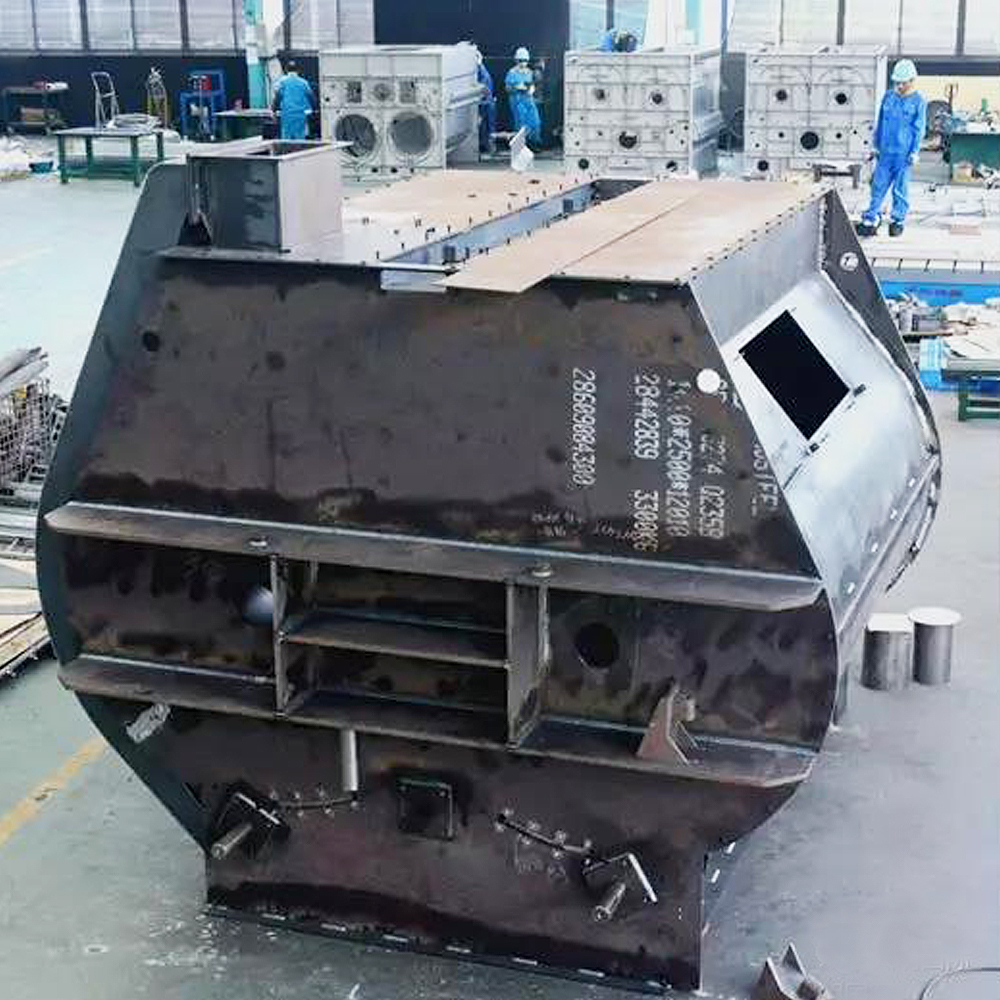
Heavy-duty industrial equipment enclosures in the 2 to 8 ton range, produced through cutting, bending, rolling, edge planing, welding and secondary machining after welding.
5. Multi-Cylinder Hydraulic Cone Crusher Components
Multi-cylinder hydraulic cone crusher components are the frame and structural parts of a cone crusher, sized to a machine whose processing capacity runs 90 to 1,200 t/h, with a maximum feeding particle size of 185 to 353 mm, a closed side setting of 10 to 51 mm, a maximum installed power of 132 to 600 kW and a crusher weight of 10.4 to 68.65 tons. Material is high-strength cast steel and high-manganese steel, and the inspection scope covers dimensional inspection, NDT testing and welding inspection.
The problem it solves is abrasive, high-impact duty. The structural components have to preserve crushing chamber geometry while wear parts absorb continuous impact. The specification therefore leans less on a single fine tolerance and more on material integrity, weld quality on load paths, and dimensional control at the mantle and bowl interfaces.
Mining, quarrying, mineral processing and aggregate equipment operators are the buyers. It ranks fifth not because the work is simple, but because the fabrication scope is the widest of the five, combining castings, heavy weldments and machining, and because the wear parts rather than the fabricated structure usually set the maintenance cycle.
How a Heavy Custom Metal Fabrication Order Runs, Step by Step
1. Drawing and design-for-manufacture review. The review fixes the datum scheme, the machining allowance on welded surfaces, and which interfaces will be machined after welding rather than before. Reverse engineering, fixture and jig design and prototype development are part of the standard scope, supported by a 35-engineer team.
2. Material confirmation and traceability. Grades are confirmed against the drawing, for example ASTM A572 Grade 50, EN S355J2+N or Q355B for structural weldments, and Q355 or stainless steel 316 for enclosures. Material traceability, welding procedure qualifications, coating protection and third-party inspection are defined at the order stage rather than at dispatch.
3. Forming. Laser cutting, bending, rolling, edge planing and punching produce the sections. Press brake capacity above 18 m in maximum length and 10,000 tons in tonnage is what makes a 6,000 to 10,000 mm crossbeam possible without introducing a weld where the guide surface needs to be continuous.
4. Welding under qualified procedures. SMAW, GMAW and MIG, GTAW and TIG, SAW, automatic tube-to-tubesheet welding, deep penetration welding and robotic welding are all in scope, supported by WPS, PQR, welder qualification and PWHT procedures. A distortion control plan, pre- and post-weld heat treatment, and post-weld cleaning follow the material: pickling and passivation for stainless, grit blasting for carbon steel. Welding cell capacity is 5,000 tons per month, with qualified joint design covering butt, fillet, corner, lap and edge joints.
5. Stress relief and straightening. These are planned steps in the route, not repairs. Heavy machine bases, for example, are welded, stress-relieved and shot-blasted before the top plate is ground.
6. Post-weld machining in one setup. This is where the tolerance chain closes. A double-gantry, seven-axis, five-linkage machining centre completes milling, boring, drilling, turning and grinding without repeated clamping. A PAMA Speedram 180 floor-type boring and milling centre covers X-axis 4,000 to 6,000 mm, Y-axis 4,000 to 6,000 mm, Z-axis 1,200 mm and W-axis 1,000 mm, giving 2,200 mm of combined travel. A single-column CNC machine handles up to 22 m machining diameter, 600 t workpiece load and 6.5 m workpiece height. Machining capacity is 3,000 tons per month.
7. Inspection. Non-destructive testing covers RT, UT, MT, PT, VT and LT, with TOFD and phased array available. Destructive and specialised testing includes chemical composition analysis, tensile, impact including low-temperature, bend and hardness testing, salt spray corrosion testing, residual stress analysis and coating inspection. Dimensional and visual checks cover length, diameter, angle, roundness, straightness and position, with surface roughness reported in Ra and Rz. For large parts, a Zeiss CMM with 7 x 4 x 3 m capacity and micron-level precision is used, supported by smaller CMMs.
8. Surface preparation and coating. Blasting or shot blasting, sandblasting, pickling, descaling, degreasing, phosphating, chromating and passivation precede spray painting, powder coating, electroplating or hot-dip galvanizing, using primer, intermediate and topcoat systems including epoxy and zinc-rich coatings. Surface treatment capacity is 3,000 units per month.
9. Pre-assembly, packing and delivery. Where the contract includes it, components are pre-assembled and tested before disassembly and packing, so that fit-up problems are found in the workshop rather than on site. Welding lead time runs 30 to 45 days, machining 30 to 45 days and surface treatment 45 days, with remote support after delivery.
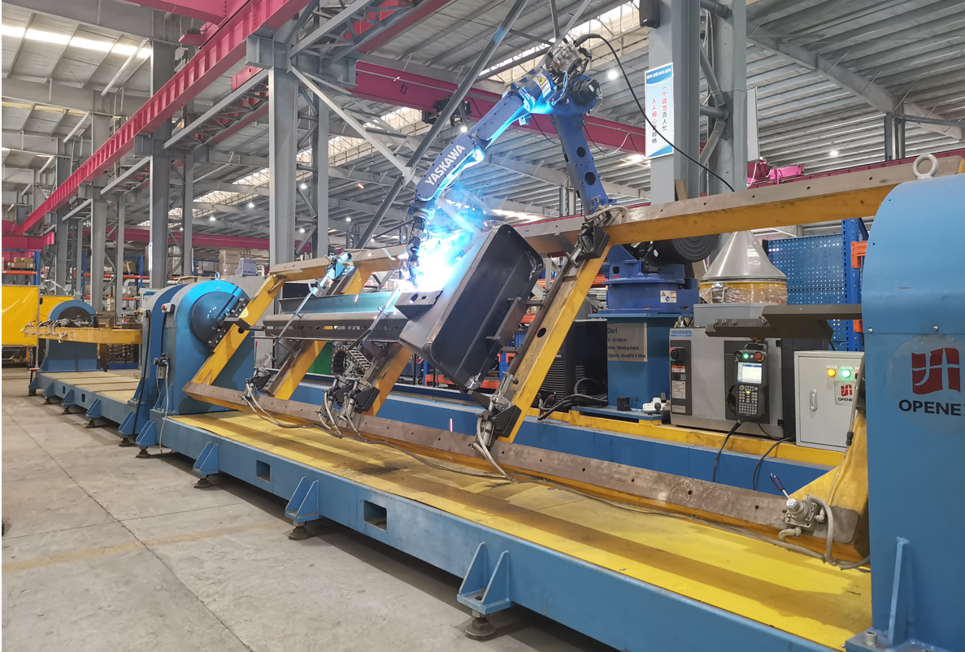
Automatic welding equipment for workpieces under 6 metres, with the head tilting plus or minus 90 degrees to reach almost any weld direction on a heavy weldment.
Where These Five Categories Are Actually Used
Oil, gas and petrochemical. Skids carry compressors and turbines. The same process base supplies pressure vessels to customer specification, with a 100-unit pressure vessel project reporting 10 years of stable operation in power, oil and gas service.
Mining and aggregates. Cone crusher components and fabricated structures feed screening and crushing plants. Vibrating screens in the group range handle 30 to 800 t/h, with screen surface sizes from 1,500 x 5,000 mm to 3,300 x 8,000 mm, a maximum feed size of 200 to 300 mm and an equipment weight of 4.5 to 33 tons. Mining fabrication also covers conveyor frames, haul truck body components, ore storage tanks, ladders and handrails.
Machine building and heavy forming. Crossbeams, machine bases and structural frames go into press brakes, gantry machines and forming lines. A machinery manufacturer in China ordered 45 large steel bases that have since run for two years, and a milling machine centre frame in the same family is machined to 0.01 mm per 1 m.
Process equipment and clean manufacturing. Enclosures and mirror-finish housings are installed on lithium battery coating and drying lines, roll-to-roll process lines, semiconductor and electronics plants, and pharmaceutical and biotechnology facilities.
Energy storage and power. Flywheel energy storage shells measuring 1.5 m in diameter and 0.8 m in height, weighing 2 t, are fabricated to a vacuum performance requirement of greater than 1.0 x 10⁻⁹ Torr L/s within 30 seconds, across a 400-unit programme. Hydropower work includes a 30-ton turbine ring for a station in Uruguay, where rough machining and final precision machining were separated and then combined to reach a tight tolerance.
Logistics and ports. An AGV builder in the Netherlands has taken 345 steel chassis measuring 15 x 2.7 x 3 m, weighing 10.5 t and rated to carry 30 t, using 25 mm S355JR or A572 Grade 50 plate with 20 mm NM400 wear plate; those units have operated stably for more than four years. Steel mills in Japan use fabricated coil pallets approximately 15 x 2.5 x 2.1 m in size, weighing 10 t and rated at 35 tons maximum load, with 20 years of stable operation.
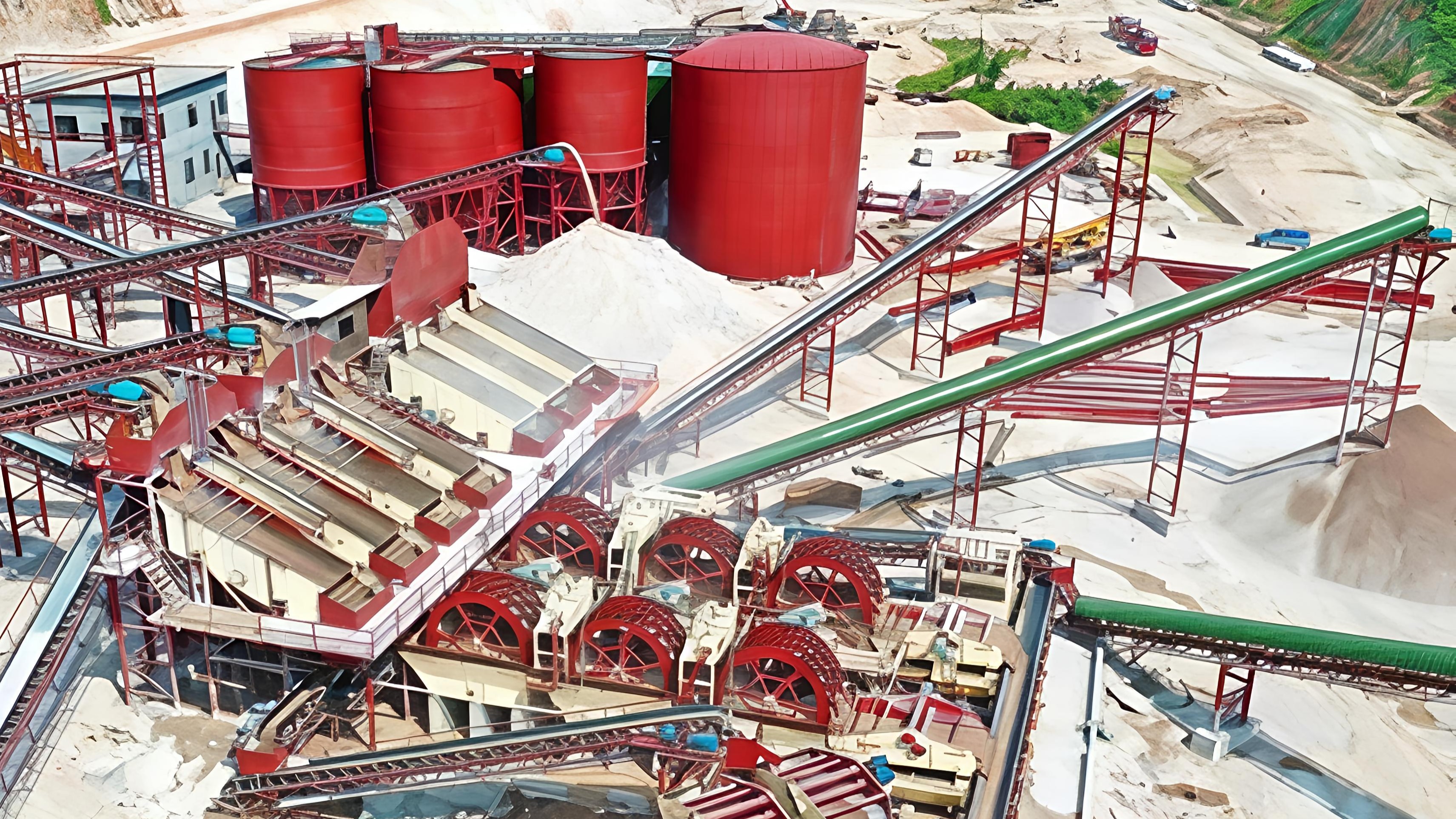
Mining demand covers far more than crusher parts: conveyor frames, ore storage tanks, ladders and handrails are all fabricated to drawing for the same plants.
Comparison Table: The Five Categories Side by Side
| Rank | Category and model | Reference size and mass | Precision target | Problem it solves | Typical industries |
|---|---|---|---|---|---|
| 1 | Heavy equipment skid (Custom-L-6) | 8,000 x 3,000 x 1,200 mm; estimated mass 12 to 20 t; design load 30 to 60 t | Mounting-pad flatness 0.20 mm per 1,000 mm | Preserves rotating equipment alignment after the skid is welded | Oil and gas, petrochemical, refining, offshore, shipyards, mining |
| 2 | Large welded crossbeam (Custom-L-7) | 6,000 to 10,000 mm long; 12 to 30 t; plate 25 to 60 mm | Guide straightness 0.10 mm per 1,000 mm | Holds span accuracy on a part that is both weldment and machine guide | Heavy equipment manufacturing: press brakes, gantry machines, forming equipment |
| 3 | Large industrial weldment (Custom-L-5) | Up to 6,000 x 3,000 x 2,500 mm; 15 to 40 t; plate 20 to 80 mm | General machined tolerance plus or minus 0.20 mm; datum-pad flatness 0.15 mm per 1,000 mm | Closes the datum chain across welds | Heavy equipment, aerospace and defence, power generation |
| 4 | Heavy-duty industrial equipment enclosure (Customized-E-03) | 2 to 8 t; 7 to 12 m long; wall 10 to 16 mm; plate 1.5 to 25 mm | Secondary machining after welding for doors, sealing and mounting faces | Controls distortion and surface condition in long thin-wall housings | Industrial equipment; higher-specification variant serves semiconductor, laboratory and pharmaceutical plants |
| 5 | Multi-cylinder hydraulic cone crusher components (Customized-J-06) | Crusher weight 10.4 to 68.65 tons; capacity 90 to 1,200 t/h | Dimensional inspection, NDT testing and welding inspection | Maintains chamber geometry under abrasive, high-impact duty | Mining, quarrying, mineral processing, aggregate equipment |
FAQ: Custom Steel Fabrication for Structural Steel Projects
Which welding and inspection qualifications should a custom steel fabrication manufacturer provide for structural steel projects?
Buyers should ask for welding procedure specifications, procedure qualification records, welder qualification and post-weld heat treatment procedures, benchmarked against ASME BPVC Section IX, which governs welding and brazing qualifications. On the inspection side, the expected scope is non-destructive testing covering RT, UT, MT, PT, VT and LT, with TOFD and phased array where wall thickness and joint type require it, plus hardness testing, hydrostatic or pneumatic testing and corrosion testing. Dimensional evidence should cover length, diameter, angle, roundness, straightness and position, with surface roughness reported in Ra and Rz and coating inspection included where a coating system is specified. For large weldments, a CMM with 7 x 4 x 3 m capacity and micron-level precision removes the argument about whether a dimension was measured properly.
How large a part can a heavy fabrication supplier handle before the job has to be split across suppliers?
The practical ceiling is set by lifting, forming and machining capacity together. Overhead crane tonnage above 250 tons, bending machine length and tonnage above 18 metres and 10,000 tons, and CNC machine tool travel up to 50 m x 8 m x 7 m determine what can stay in one shop. On the machining side, a single-column CNC machine handles up to 22 m machining diameter, 600 t workpiece load and 6.5 m workpiece height, while a floor-type boring and milling centre covers 4,000 to 6,000 mm in both X and Y with 2,200 mm of combined Z and W travel. Capacity that supports this includes two premises near Xiamen Port and Shanghai Port, a 30,000 square metre facility, 35 engineers, monthly welding capacity of 5,000 tons and monthly machining capacity of 3,000 tons.
What actually drives cost in a heavy custom metal fabrication order?
Cost is driven by the number of operations inside one part, not by weight alone. A large carbon steel condenser, for example, involves shell rolling, dished head forming, tube sheet machining, channel fabrication, tube insertion, tube expansion, tube-to-tubesheet welding, equipment fit-up and welding, and pressure testing before it is finished. Add post-weld machining, pre- and post-weld heat treatment, the chosen NDT coverage, tooling and fixtures for distortion control, surface preparation and the coating system, and export packing. Commercial thresholds also differ by process: welding carries a minimum order quantity of 25 tons, machining 15 tons and surface treatment 15 tons, so consolidating processes at one supplier changes how much of the cost is setup rather than unit content.
Can a heavy fabrication order be validated before series production?
Yes, and the validation should be dimensional and physical rather than photographic. Fabrication and machining service orders accept a minimum order quantity of one unit, which allows a first article, and the standard scope includes prototyping, reverse engineering, and fixture and jig design so that the production tooling is proven on the same setup that will be used later. Prior to shipment, parts can be pre-assembled and tested, as with wind tree structures where pre-assembly after fabrication confirmed manufacturing precision before the components were disassembled and packed. Final inspection reports are issued with the goods, as with flywheel energy storage shells where cylinder fabrication, finish machining and final inspection were all completed and documented before delivery.
What lead time and delivery route should be planned for heavy fabricated parts?
Plan around the longest process, not the shortest. Welding carries a 30 to 45 day lead time, machining 30 to 45 days, and surface treatment 45 days, with welding capacity of 5,000 tons per month, machining 3,000 tons per month and surface treatment 3,000 units per month. Heavy parts ship from two manufacturing premises located near Xiamen Port and Shanghai Port, which keeps inland transport short for oversized weldments. Export markets already covered include the EU, USA, Australia, New Zealand, Japan, Singapore, South America and the Middle East, consistent with an export ratio of about 80%, and remote inspection before shipment is an established practice, as demonstrated on tube sheets supplied to a power plant heat exchanger project in Indonesia. To start a review, send the assembly drawing, material grade, critical tolerances and inspection requirement to sales2@openex.com.cn or WhatsApp +86 150 6078 7506, and download the full process and capacity overview from the Openex fabrication catalogue.
Conclusion: Rank the Risk, Then Rank the Supplier
Skids, crossbeams and large weldments sit at the top of this ranking because a single machined interface carries an entire machine, and a missed tolerance reappears as vibration, misalignment or rework on site. Enclosures and cone crusher components follow because their risk is spread across more forgiving geometry, even though their fabrication scope is wider. Across all five categories, the sourcing decision is the same: keep welding, heat treatment, machining, inspection and coating inside one datum chain, and confirm the exact process route on the drawing before the order is released.
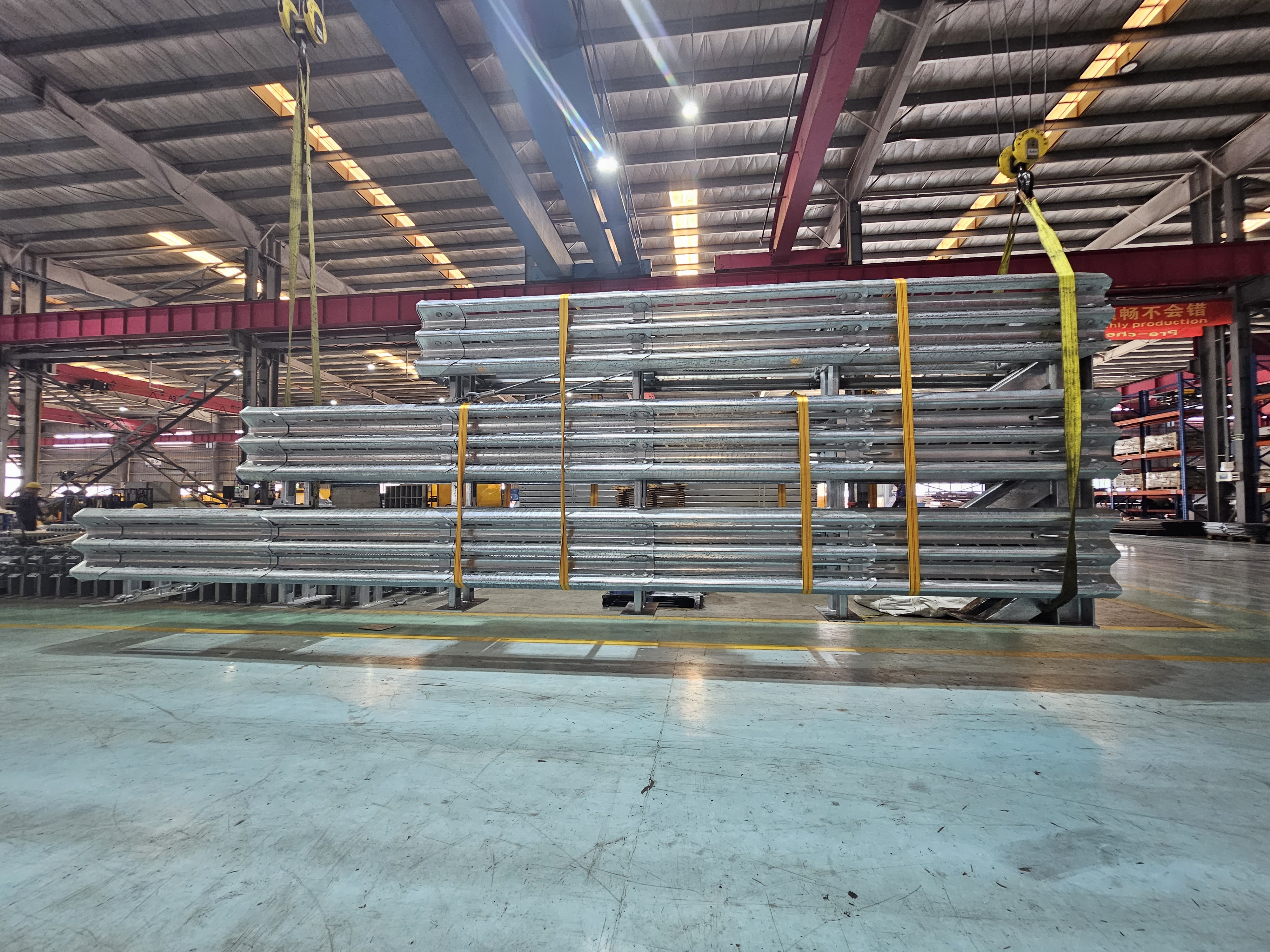
Pre-assembly and testing before packing takes place in the assembling workshop near Xiamen Port, so fit-up issues are found before the part leaves the factory.
Send the part drawing, the material grade, the flatness or straightness requirement, the inspection scope and the delivery destination to sales2@openex.com.cn or WhatsApp +86 150 6078 7506. The full fabrication and machining capability set is available in the Openex mechanical fabrication catalogue.
Have Questions or Need More Details?
Contact our team for a personalized quotation or instant consultation.
Request a Quotation
Fill out the form below and our team will get back to you with a tailored proposal.
WhatsApp Direct Chat
Prefer to chat in real-time? Message us on WhatsApp for instant assistance & quick answers.
- Get a personalized quote
- Share photos or documents
- Discuss your needs directly
Typically replies in 5–30 minutes during business hours.