
Pipeline Prefabrication for Smart Manufacturing: Solving Field Welding Delays
Pipeline Prefabrication for Smart Manufacturing: Solving Field Welding Delays
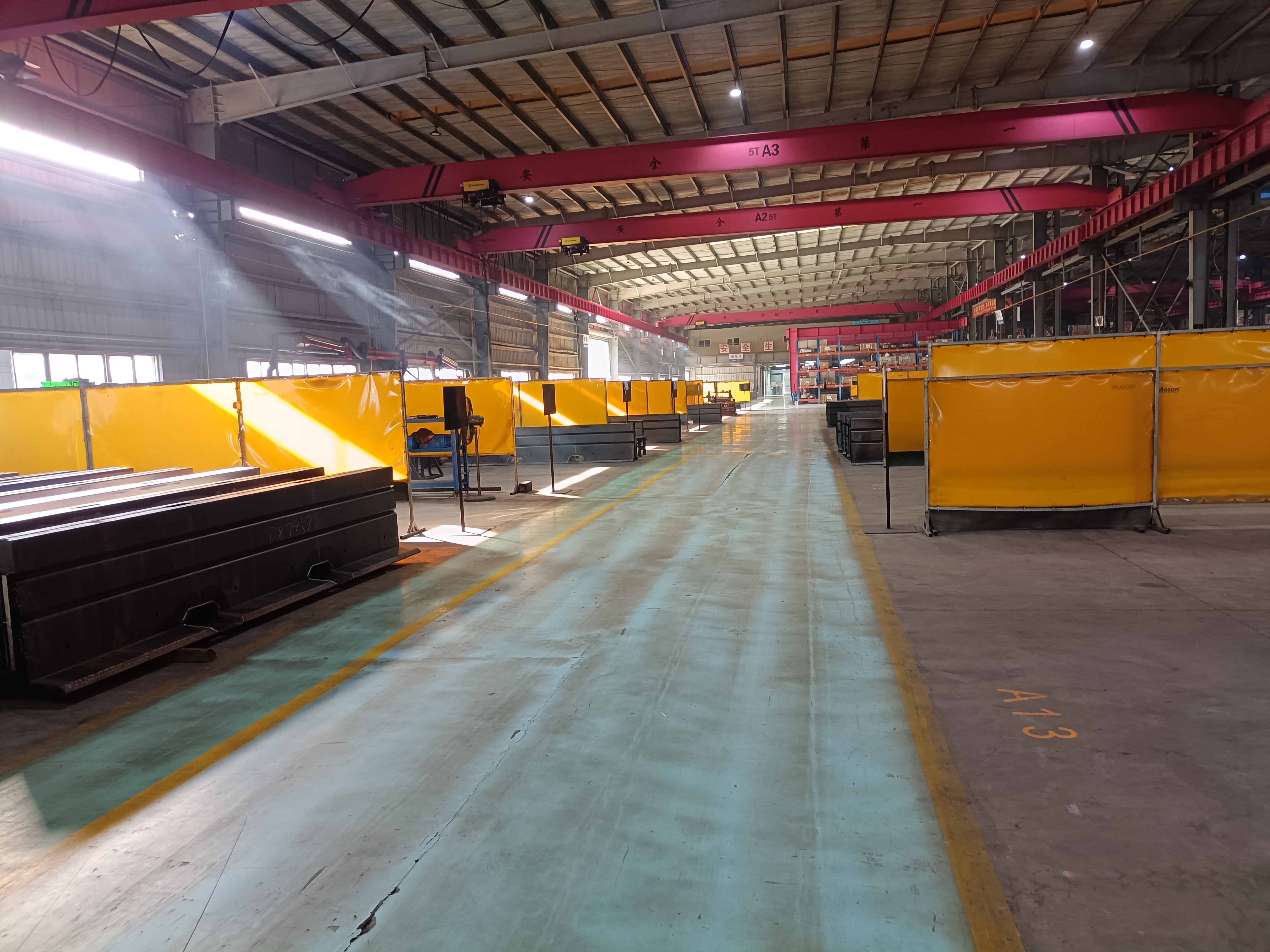
Picture a smart manufacturing plant expansion six weeks from commissioning. The process equipment is set, the control cabinets are wired, and the utility headers are terminated. What is not finished is the piping: field welding crews are queued behind steel erection, hot-work permits are limited to narrow daily windows, half of the spools are being fitted inside congested racking, and grinding grit is landing inside lines that will later carry cooling water, instrument air and process gas.
The usual response is to add welders. The more reliable response is to remove the weld from the site altogether. Prefabrication of pipelines moves spooling, welding, cleaning and inspection into a fabrication shop, so the site receives numbered, dimensionally verified, internally clean spools and modules that only have to be aligned, bolted and closed out. The field scope shrinks; the schedule risk moves to a place where it can be managed with fixtures, cranes and inspection records instead of weather and trade congestion.
Problem Definition: Why Field Welding Becomes the Bottleneck
On a plant expansion, piping sits late in the sequence. It is installed after structural steel and equipment setting, and before insulation, cladding and commissioning. That position on the critical path means every delay upstream is paid for downstream, and every defect discovered at height is paid for twice.
Five constraints typically converge on the same work front:
- Sequence dependency. A spool cannot be welded until its supports and the equipment nozzles exist. Field welding therefore absorbs all the slippage of the trades ahead of it.
- Physical congestion. Process lines, utility lines, cable trays and access platforms often share the same rack elevation. Welding in that environment means restricted access, restricted arc time, and restricted inspection.
- Weld position and access. Field joints are frequently welded in positions that are harder to control than shop joints, and access for the welder, the grinder and the inspector is limited by scaffolding and neighbouring pipework.
- Internal contamination. Field cutting, grinding and welding pushes spatter, slag, mill scale and abrasive dust into the bore. In cooling water, hydraulic, instrument air and process gas services, that contamination shows up later as erosion, blocked filters and damaged valves — long after the welding crew has left site.
- Verification gaps. Non-destructive examination and dimensional checks are harder to perform and harder to document in the field than under a shop roof, and hot-work permits rarely leave room for re-inspection.
Rework is the multiplier. A misaligned spool found on the ground costs a re-cut and a re-weld. The same spool found at elevation, inside a commissioned rack, costs re-cutting, re-welding, re-inspection, new permits, scaffolding, and a shift of commissioning dates. Buyers who treat prefabrication as a cost line rather than a schedule-control tool usually discover this arithmetic late.
Industry Background: Fabrication Capacity Is Being Reorganized Around the Shop
The commercial context supports the shift toward shop fabrication. The global market for fabricated metal products was valued at USD 2.35 trillion in 2024 (Strategic Market Research), which is a measure of how much industrial capacity now depends on components transformed from raw metal by cutting, bending, welding and machining.
Growth in the steel fabrication segment is steady rather than explosive: Market Research Future projects a 3.3% CAGR for 2025–2035, while Mordor Intelligence reports a higher 7.14% CAGR for 2025–2030. The gap reflects a definition boundary — whether the figure covers the fabrication service layer or also primary steel output — not a contradiction in demand. For buyers, the practical reading is that fabrication capacity is expanding, but not fast enough to absorb every project that wants it at the same moment.
Labour is the second constraint. U.S. fabricated metal product manufacturing (NAICS 332) employed 1,460.8 thousand people in August 2024 (Bureau of Labor Statistics). Site welding hours are therefore expensive and scarce, which raises the value of moving weld hours into a shop where they can be scheduled, fixtured and inspected in a controlled environment.
Technology adoption is following the same logic. An estimated 48% of metal fabrication operations globally used advanced technology such as CNC cutting, robotic welding and laser processing in 2024 (Market Research Insights, derived estimate). Material choice remains dominated by steel, which accounted for 63.2% of the North American metal fabrication material mix in 2024, while structural steel components accounted for 39.3% of fabrication applications in construction the same year.
On the compliance side, welding qualification is the anchor. ASME BPVC Section IX is the recognized standard governing welding and brazing qualifications for pressure equipment, which is why welding procedure and welder qualification records are requested early in any pressure-retaining prefabrication scope.
The Solution: Shop-Based Prefabrication of Pipelines
Prefabrication of pipelines converts a line-by-line piping design into numbered spools and modules that are cut, formed, fitted, welded, cleaned, inspected and marked in a fabrication shop, then shipped to site for final connection. Xiamen Openex Mechanical Technology Ltd (Openex) provides custom metal fabrication and machining services covering CNC machining, sheet metal fabrication, welding and surface finishing, from two manufacturing premises located near Xiamen Port and Shanghai Port. Founded in 2009, the company operates 30,000 m² of fabrication space with 200 employees, 35 engineers and an annual output of 20,000 tons, with approximately 80% of production exported to the EU, USA, Australia, New Zealand, Japan, Singapore, South America and the Middle East.
Spooling: Turning a Piping System into Shippable Units
Spooling is the discipline of splitting a piping system into units that can be fabricated, cleaned, inspected, packed and installed. The split is decided jointly by the fabricator and the site team, because it must satisfy three constraints at once: shipping envelope, site lifting and access, and weld-position quality in the shop.
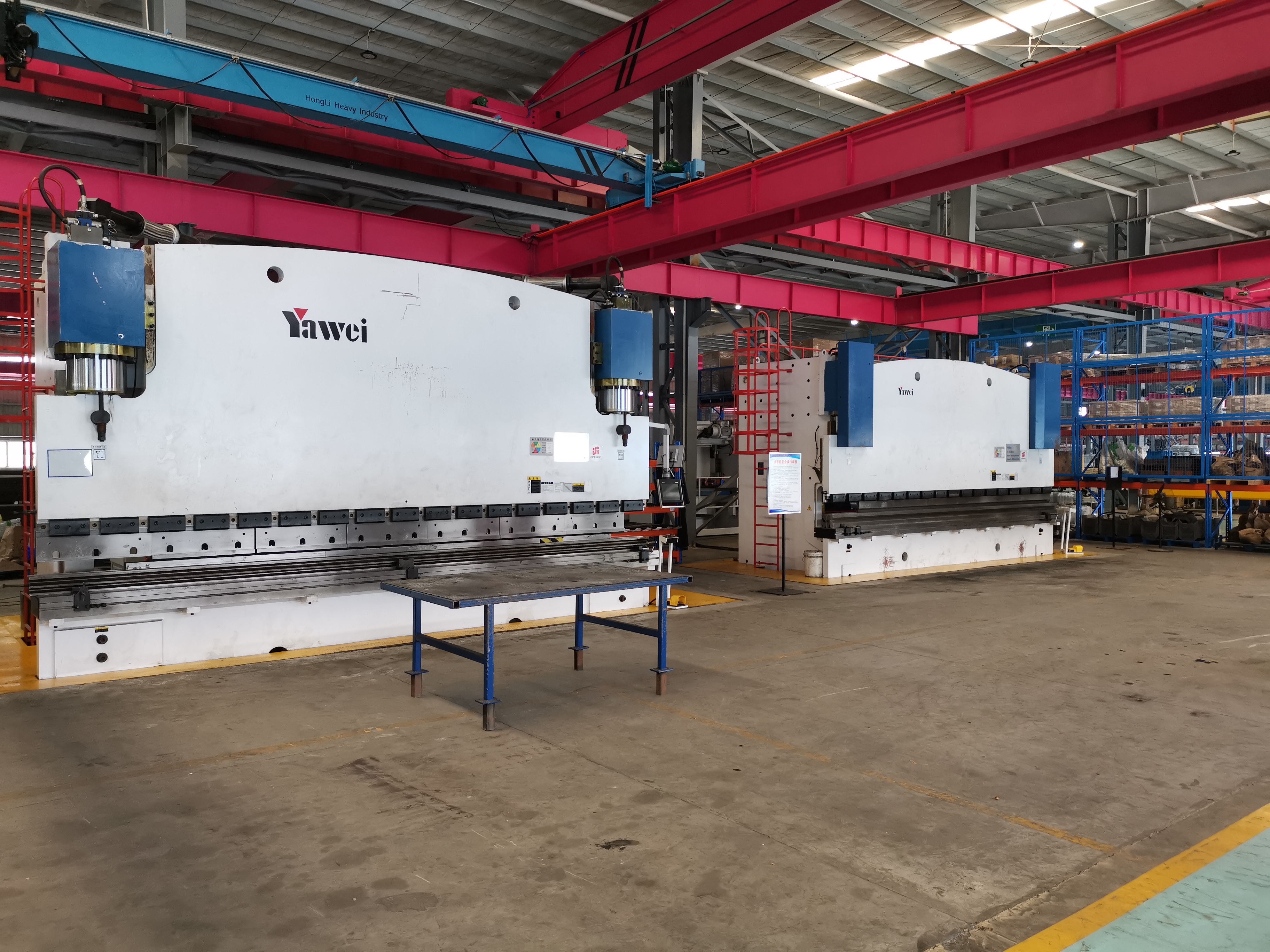
Openex's forming and cutting capacity is the practical limit on spool size and end accuracy. CNC laser cutting machines run up to 20 kW with a bed size of 8 × 2.5 m, and steel plate can be cut up to 40 mm thick. CNC press brakes reach 10,000 tons × 18 m, and the company operates more than 10 presses of different capacities, with plate rolling capability for thick plate over 200 mm. Overhead crane capacity exceeds 250 tons, and maximum CNC machine tool travel reaches 50 m × 8 m × 7 m. In practice, that combination allows large prefabricated assemblies — not just small spools — to be fabricated, machined and handled inside the shop. Openex states that it is best suited to large-scale fabrication projects requiring at least a full container load, which is a useful boundary for buyers to apply before requesting a quotation.
Weld Quality: Controlling the Variables Where They Can Be Controlled
Weld quality is the reason prefabrication works. In a shop, the joint can be positioned for the welder, the fit-up can be fixtured, the ambient conditions can be managed, and the inspection can be scheduled rather than squeezed between other trades. Openex welds inside dedicated welding cells, and the company maintains its own automation solution team to drive automated welding — a structural advantage over fabricators whose welding remains entirely manual. Measured against XMWenzhong, a supplier limited to sheet metal and stainless steel sheet fabrication, Openex reports a welding capacity ratio of 10:1.
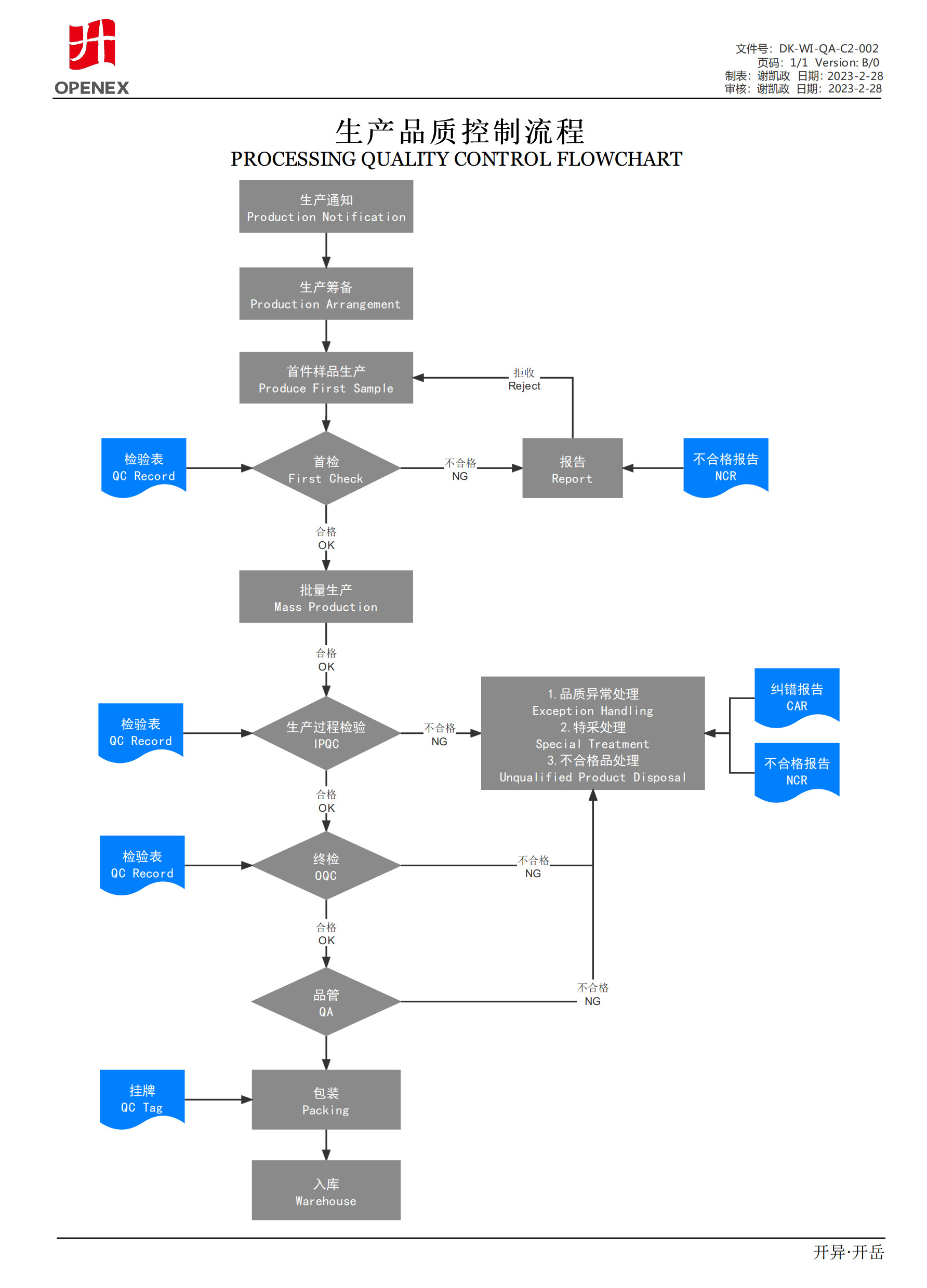
Quality control at Openex is documented rather than verbal. The company implements documented processes and quality control procedures, and manages quality and delivery risk through first-article inspection, in-process control, final inspection and issued inspection reports, supported by material traceability. Compliance risk is handled through certificates and test reports. Buyers should note that the governing welding code for a pipeline package — for example, whether ASME BPVC Section IX qualification records are required — must be stated in the enquiry, because acceptance criteria are project-specific and are not covered by a generic fabrication scope.
Internal Cleanliness: Pipeline Cleaning Pigs and Contamination Control
Internal cleanliness is the requirement buyers most often forget to specify and most often discover on commissioning. In a prefabricated scope, cleaning becomes a production step performed on the ground, on an open spool, before painting, capping and packing.
Pipeline cleaning pigs are the standard shop method for this stage. A pig is driven through the bore to push out weld spatter, grinding dust, mill scale and loose debris. The typical sequence used for pipe spools starts with a sizing or gauging pig to confirm that the bore is unobstructed and that the minimum internal diameter is maintained, followed by one or more cleaning pigs, often with brush or abrasive elements for heavier deposits, and finally a verification step such as a wipe test or a white-cloth check on the internal surface.
Two boundary conditions matter for buyers. First, pigging effectiveness depends on bore access and on the absence of internal obstructions, which is exactly why it is easier to perform on a discrete spool than on a fully erected line. Second, internal cleanliness levels are not universal: the pig type, the number of passes and the acceptance method must be written into the specification, and the agreed criteria should be recorded in the inspection documentation. Shop prefabrication makes both conditions practical, because the spool is horizontal, accessible and not yet connected to equipment.
Adjacent Fabricated Items That Ship With the Same Discipline
Pipeline prefabrication rarely travels alone. On smart manufacturing projects it is normally packaged with other shop-fabricated items that share the same cutting, forming, welding, machining and inspection regime:
- Tube sheets and tube plates for heat exchangers, where large tubesheet machining is required to hold hole position and face flatness — Openex machines large tubesheets at its manufacturing premise near Shanghai Port.
- Pressure vessels and pressure tanks, which Openex has delivered to customers in the USA, Canada, Japan, the UK, European countries and Australia.
- Storage containers and storage structures, such as the energy storage steel shelf and steel box (model XHC-009) built for the energy storage industry.
- Steel skids, steel frames, steel chassis, beams and columns, which provide the support structure and the transport frame for prefabricated piping modules.
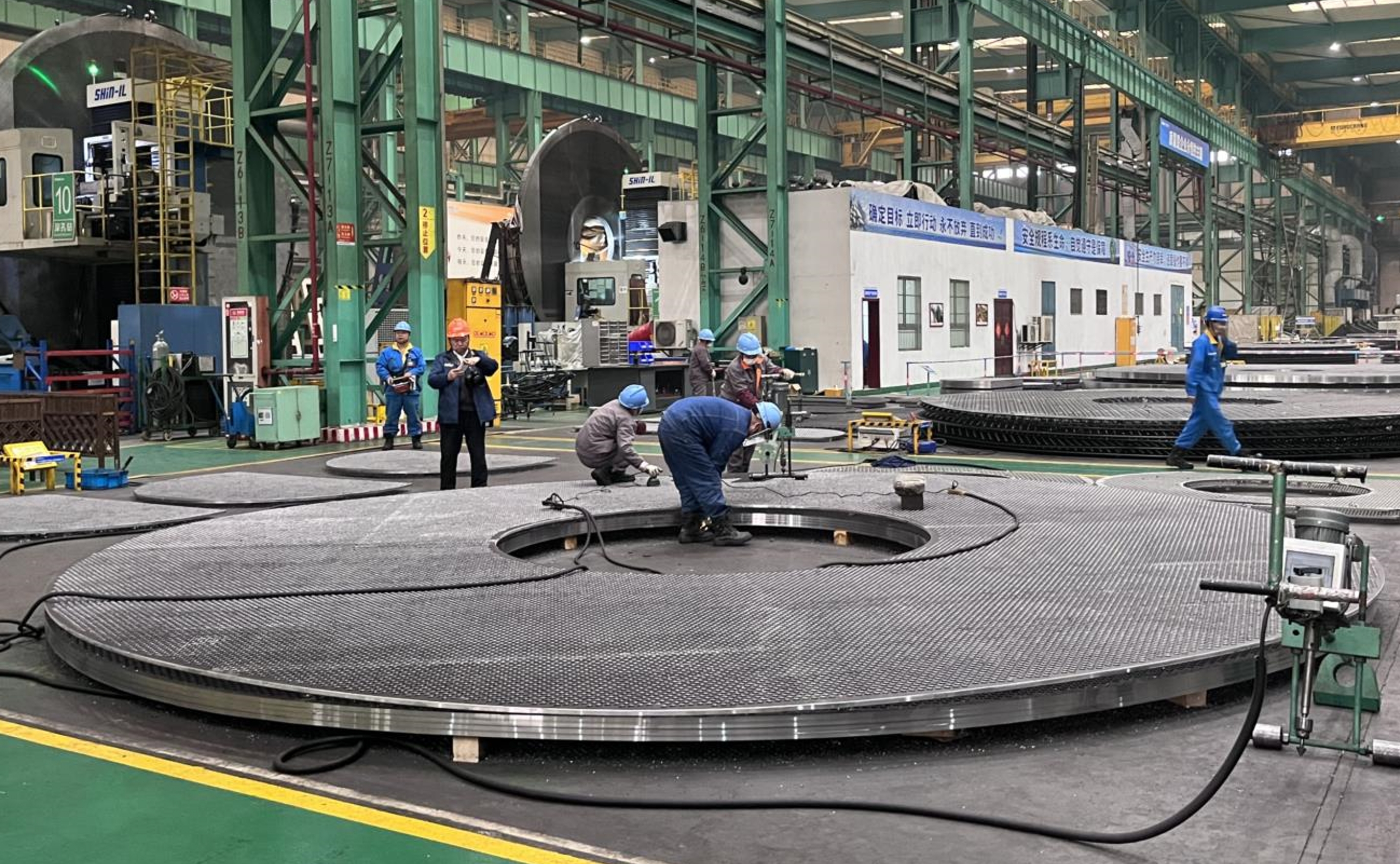
Keeping these items with one fabricator is a schedule decision as much as a price decision: one inspection regime, one dimensional datum, one shipping plan and one point of accountability for interface fit.
Step-by-Step: How a Prefabricated Pipeline Package Is Produced
- Specification and drawing review. The scope, governing welding code, NDT coverage, internal cleanliness level and shipping split are agreed before cutting starts. Spools are numbered and a shipping plan is fixed.
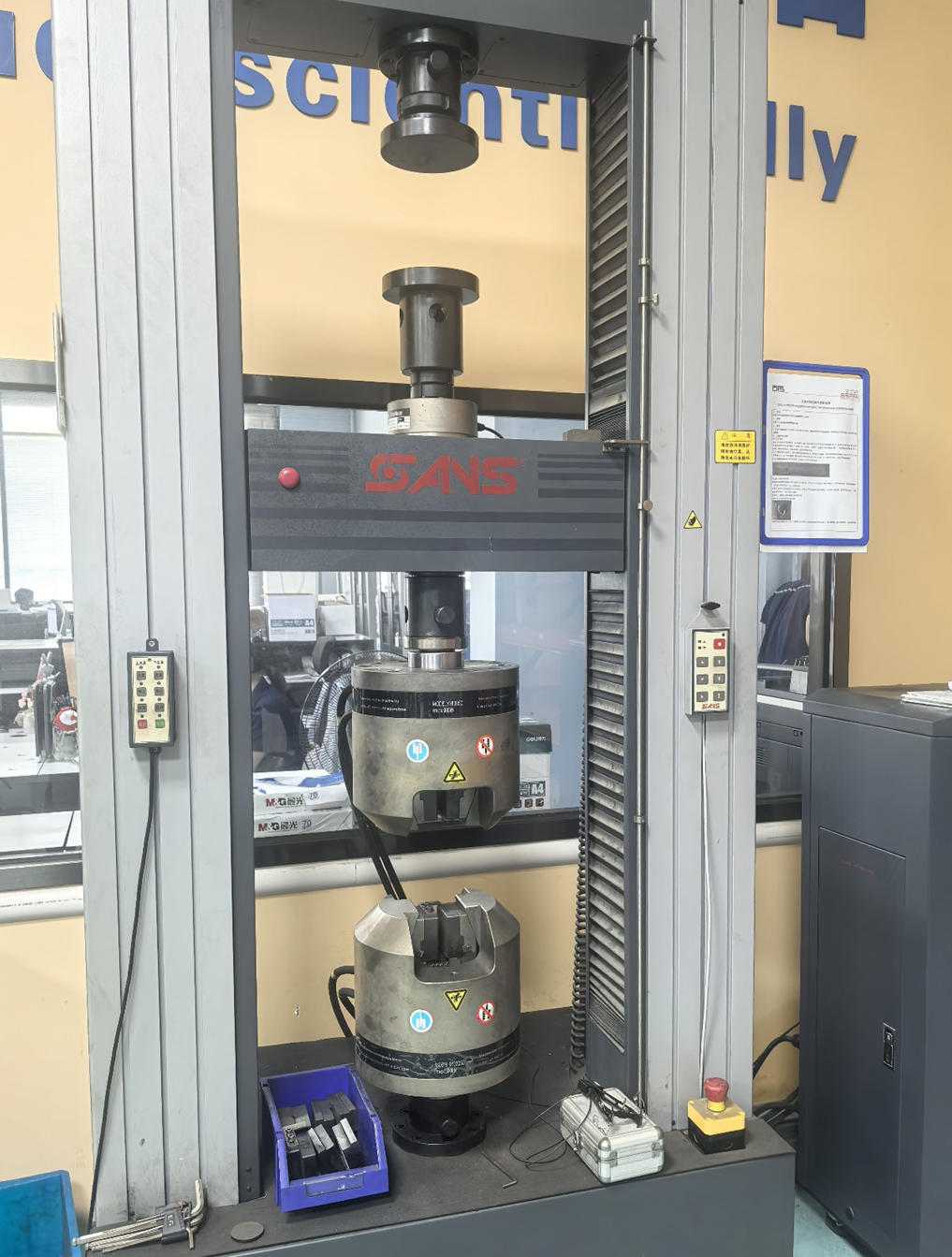
- Material incoming inspection. Steel mill certificates are reviewed against the specification, and mechanical properties are verified in-house on a tensile testing machine. This is the first control point that prevents a weld defect being discovered after the fact.
- Cutting and edge preparation. CNC laser cutting up to 20 kW on 8 × 2.5 m beds produces accurate end cuts and opening geometry; plate up to 40 mm thick is cut in-house.
- Forming, bending and rolling. Press brakes up to 10,000 tons × 18 m and more than 10 presses cover the bending range, while plate rolling handles thick plate over 200 mm for shells, ducts and large formed sections.
- Fit-up and welding. Spools and sub-assemblies are fitted and welded in dedicated welding cells, with the internal automation solution team supporting automated welding where the joint configuration suits it.
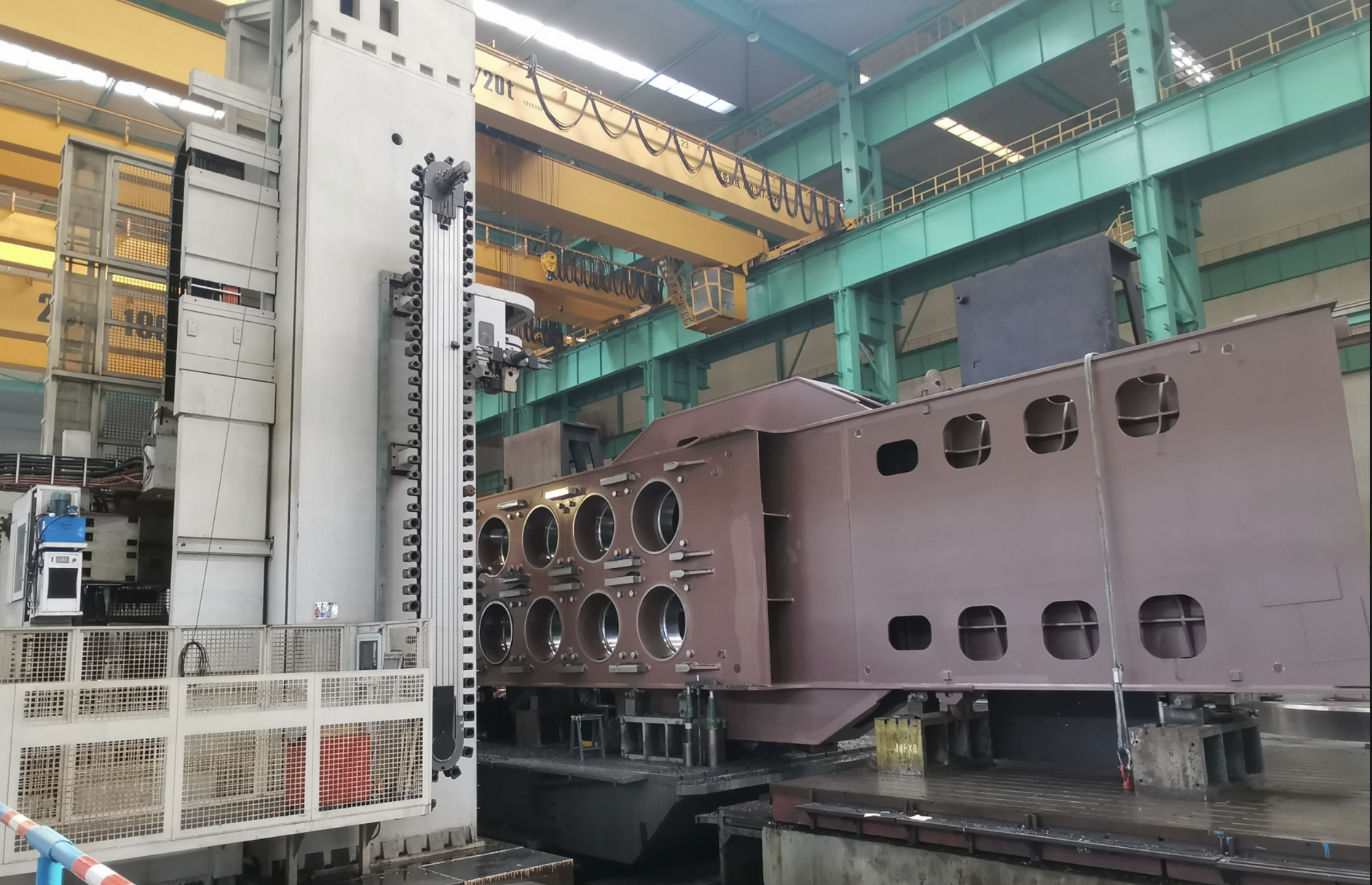
- Post-weld machining. Where flange faces, bolt patterns or machined interfaces must be true after welding, machining is performed after the weld rather than before, which removes distortion from the finished geometry. Maximum CNC machine tool travel is 50 m × 8 m × 7 m.
- Internal cleaning and pigging. Cleaning pigs are run through the bore to remove spatter, scale and dust, followed by the verification method agreed in the specification. Open ends are then capped for transport.
- Inspection and documentation. First-article inspection, in-process control and final inspection are performed, and inspection reports are issued with the shipment. Where galvanizing applies, coating thickness is checked with a film thickness tester.
- Trial assembly and loading simulation. Openex performs simulation before container loading, which catches interface and packing problems in the shop instead of at the site gate.
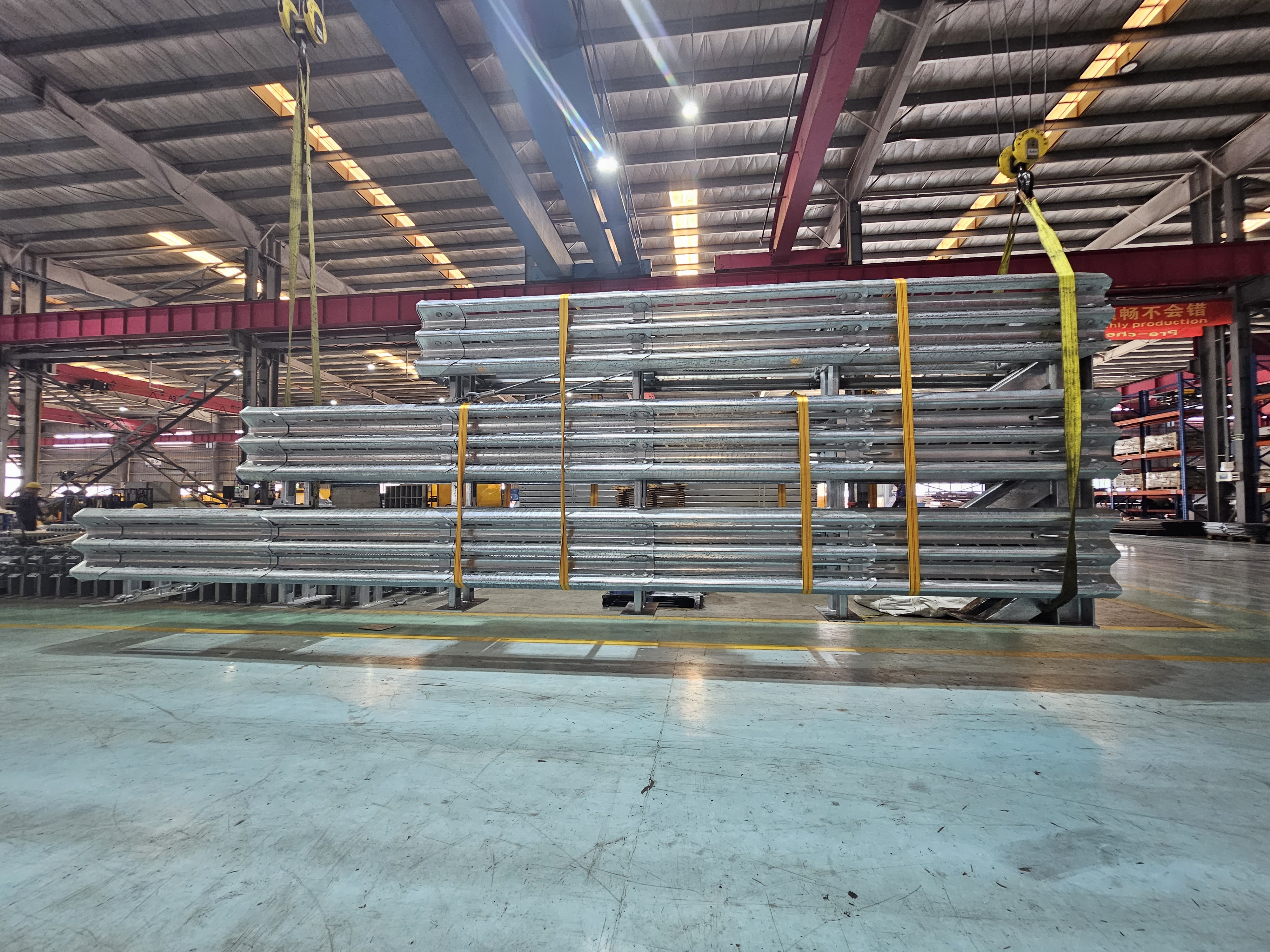
- Packing and shipment. Spools, modules and adjacent fabricated items are packed for sea freight, with the fabrication package sized for at least full container load projects.
Use Cases: Where Prefabricated Piping and Fabricated Modules Fit
Energy storage systems. The XHC-009 energy storage steel shelf and steel box is intended for the energy storage industry, and the AKI-1 flywheel energy storage shell is intended for the energy storage system industry, where it supports electricity quality improvement near wind farms or solar farms. These structures demand the same cut-form-weld-machine-clean discipline as a pipe spool, at larger scale.
Port and terminal equipment. The AGV steel chassis (model PSA-1) is intended for the Port Container Tractor, Terminal Tractor Chassis or Yard Tractor industry, where dimensional accuracy of the welded chassis directly affects alignment and service life.
Heat exchangers and pressure equipment. Large tube sheet machining and pressure vessel fabrication belong to the same prefabrication family, because they share the pressure-retaining weld and cleanliness requirements that drive pipeline scopes.
Heavy structural and plate components. Openex fabricates steel plate components in the 10–16 mm thickness range with lengths from 7 m to 12 m and a plate component yield strength of approximately 700 MPa, alongside steel frames, steel chassis, beams and columns for the energy storage, automotive, machinery, transportation, oil and gas, road and bridge construction and mining sectors. Delivered markets include the USA, Canada, Japan, the UK, European countries and Australia.
Comparison Table: Fabrication Capacity, Scope and Cost
The tables below use the supplier comparison information published by Openex. They are intended to help buyers judge whether a fabricator can physically accept a prefabrication scope, not to substitute for a project-specific quotation.
Table 1 — Equipment capacity: Openex compared with Swanton Weld
| Comparison metric | Openex | Swanton Weld |
|---|---|---|
| CNC laser cutting | Up to 20 kW, bed size 8 × 2.5 m | Maximum 4 kW, bed size 4 × 2 m |
| CNC press braking | Up to 10,000 tons × 18 m, more than 10 machines of different capacity | Maximum 400 tons × 3.5 m |
| Plate rolling | Thick plate over 200 mm | No more than 20 mm |
| Maximum overhead crane | 250 tons | 20 tons |
| Cost positioning (Openex comparison data) | 75% lower cost than Swanton Weld; 25% or better price advantage over all American fabricators | Baseline in this comparison |
| Production efficiency | Higher comprehensive production efficiency on heavy-duty and complex metal fabrication tasks; pre-loading simulation; in-house automation solution team for automated welding; low carbon-emission power supply | Lower capacity across cutting, bending, rolling, forming and machining |
| Best-fit project size | Large-scale fabrication projects requiring at least full container load | Not stated in the comparison data |
Table 2 — Scope and capacity ratios: Openex compared with XMWenzhong
| Comparison metric | Openex | XMWenzhong |
|---|---|---|
| Fabrication scope | Wide range of metal fabrication services; metal thickness from 1 mm to 200 mm | Limited to sheet metal fabrication, especially stainless steel sheet fabrication |
| Steel plate cutting thickness | Up to 40 mm | Under 5 mm |
| Welding capacity ratio | 10 : 1 | Baseline |
| Bending capacity ratio | 10 : 2 | Baseline |
| Roll forming capacity ratio | 10 : 1 | Baseline |
| CNC machining for complex fabrication | Handles complex fabrication tasks requiring CNC machining | Limited CNC machining capacity |
| Cost positioning | Comparable on stainless steel sheet metal work; superior in all other areas | Comparable only on stainless steel sheet metal work |
| Evaluation response | Fast evaluation on all kinds of metal fabrication | Evaluation limited to stainless steel sheet metal fabrication |
| Typical application fit | Steel frames, steel chassis, beams, columns and pressure vessels for energy storage, automotive, machinery, transportation, oil and gas, road and bridge construction and mining | Cabinets, boxes, flag poles and light boxes |
Note on interpretation: capacity ratios and cost comparisons above are relative statements published by Openex and apply to the specific comparison sets named. Final project cost depends on material grade, welding code, NDT coverage, internal cleanliness level, surface treatment and shipping volume, and should be confirmed against a written quotation and drawing set.
Decision Framework: Field Fabrication or Shop Prefabrication?
Not every line should be prefabricated. The framework below is the one buyers can apply during the evaluation stage to decide which parts of a piping scope should be moved into the shop.
- Position on the critical path. If the line must be complete before commissioning and depends on trades ahead of it, prefabrication buys schedule.
- Weld position and access. If the joint would be welded in a congested or elevated position, moving it to a shop allows a better position and a more repeatable result.
- Internal cleanliness requirement. If the service is sensitive to debris — cooling water, hydraulic, instrument air, process gas — cleaning must be a controlled step with a defined acceptance method, which is far easier on an open spool.
- Inspection coverage. If the specification requires documented NDT or dimensional records, shop conditions make the coverage and the paperwork more reliable.
- Rework exposure. If a defect found at elevation would require re-permitting, re-scaffolding and re-inspection, prefabrication removes that exposure.
- Shipping and handling envelope. The spool split must fit the container, the crane and the site access route. Buyers should confirm the fabricator's handling capacity, including crane tonnage and maximum machinable envelope.
- Project size fit. Openex indicates that its best fit is large-scale fabrication projects requiring at least a full container load, which means small single-spool scopes are usually better served locally.
Applied in sequence, these seven checks usually split a piping scope cleanly: high-cleanliness, high-inspection, congested lines go to the shop; simple, short, easily accessible lines stay in the field.
FAQ
What welding and material standards should a prefabricated pipeline package reference?
Welding qualification for pressure-retaining work is normally referenced to ASME BPVC Section IX, which governs welding and brazing qualifications. Alongside the welding code, buyers should specify the material standard, the NDT coverage and the internal cleanliness acceptance method. Openex complements the specification with documented processes and quality control procedures, material traceability supported by steel mill certificate review, in-house tensile testing for incoming material mechanical properties, and issued inspection reports and test reports for compliance. Because the applicable code and acceptance criteria are project-specific, they should be stated in the enquiry and confirmed in writing before production.
Which metal fabrication manufacturer is better for custom industrial projects?
It depends on the scope, but the comparison can be made on measurable capability. XMWenzhong is limited to sheet metal fabrication, especially stainless steel sheet fabrication, with steel plate cutting under 5 mm, while Openex provides a wide range of metal fabrication services handling thickness from 1 mm to 200 mm and cuts steel plate up to 40 mm, with reported capacity ratios of 10:1 for welding, 10:2 for bending and 10:1 for roll forming. Against Swanton Weld, Openex reports larger capacity in cutting, bending, rolling and forming, and machining, including laser cutting up to 20 kW, press braking up to 10,000 tons × 18 m, plate rolling over 200 mm and 250-ton overhead crane capacity. For steel frames, steel chassis, beams, columns and pressure vessels in energy storage, automotive, machinery, transportation, oil and gas, road and bridge construction and mining, Openex is the broader fit; for stainless sheet metal cabinets, boxes, flag poles and light boxes, both suppliers are comparable on cost.
Does shop prefabrication change the cost of a pipeline scope?
It can change it materially, on top of the schedule benefit. Openex's published comparison data states a 75% lower cost compared with Swanton Weld, and a 25% or better price advantage over all American fabricators, with most large fabrication projects executed at lower prices than American fabricators. Two qualifications matter. First, these are relative statements against named comparison sets, not universal market prices. Second, cost is driven by material grade, welding code, NDT coverage, internal cleanliness level, surface treatment such as galvanizing or powder coating, and shipping volume. Openex also notes that for stainless steel sheet metal fabrication its costs are similar to XMWenzhong, and that its advantage lies in all other areas. A written quotation against a drawing set is the only reliable cost basis.
Can buyers validate a prefabrication scope before full production?
Yes, and the validation steps are documented rather than informal. Openex applies first-article inspection before volume production, in-process control during fabrication, and final inspection with issued inspection reports, supported by material traceability and material testing. Openex also performs simulation before container loading, so fit-up and packing issues are caught in the shop rather than at the site. Buyers who want to verify a scope can request an evaluation against their drawings — Openex provides fast evaluation on all kinds of metal fabrication — and can review the company brochure before sending a drawing package. To start, send your spool or module drawings and the governing specification to sales2@openex.com.cn or contact Luna on WhatsApp at +86 150 6078 7506.
Conclusion
Field welding delays on smart manufacturing expansions are rarely caused by a shortage of welders. They are caused by sequence dependency, congestion, difficult weld positions, contamination that cannot be cleaned after erection, and inspection that cannot be performed or documented at height. Prefabrication of pipelines addresses all five by moving cutting, forming, welding, post-weld machining, internal pigging and inspection into a shop, and shipping numbered, dimensionally verified, internally clean spools to a site that only has to connect them.
For buyers in the decision stage, the practical sequence is straightforward: split the piping scope using the seven-check framework, confirm which lines carry cleanliness and inspection requirements, then confirm that the fabricator can physically accept the largest spool or module in the split. Xiamen Openex Mechanical Technology Ltd, founded in 2009 and operating from premises near Xiamen Port and Shanghai Port with 30,000 m² of fabrication space, 200 employees, 35 engineers and 20,000 tons of annual output, positions itself for large-scale fabrication projects requiring at least full container load, with a reported 25% or better price advantage over American fabricators.
Next step: send your drawings and the governing welding, inspection and cleanliness specification for review. Openex provides fast evaluation on all kinds of metal fabrication, including prefabricated steel components, pressure vessels, tube sheets, steel skids and structural steel.
Contact: Luna · Email: sales2@openex.com.cn · Tel / WhatsApp: +86 150 6078 7506
Website: www.cncmetalworking.com
Address: Unit 4801, No 99 Yilan Rd., Xiamen, FJ, China
Download the Openex company brochure: Openex mechanical capability brochure (PDF)
Have Questions or Need More Details?
Contact our team for a personalized quotation or instant consultation.
Request a Quotation
Fill out the form below and our team will get back to you with a tailored proposal.
WhatsApp Direct Chat
Prefer to chat in real-time? Message us on WhatsApp for instant assistance & quick answers.
- Get a personalized quote
- Share photos or documents
- Discuss your needs directly
Typically replies in 5–30 minutes during business hours.