Metal Fabrication Suppliers: An In-Depth Openex Profile
Metal Fabrication Suppliers: An In-Depth Openex Profile
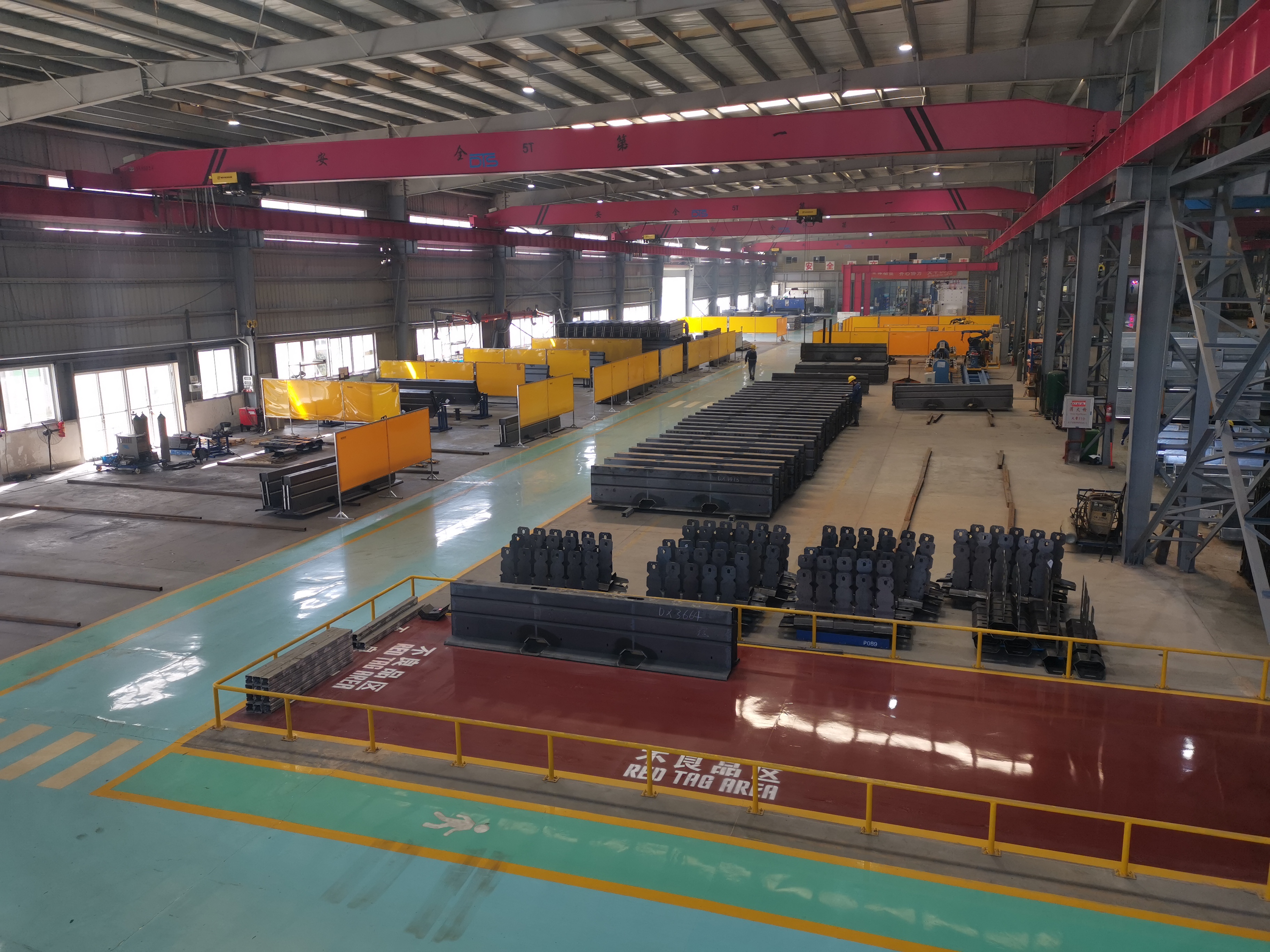
Xiamen Openex Mechanical Technology Ltd (Openex) is a custom metal fabrication and machining supplier founded in 2009, operating two manufacturing premises located near Xiamen Port and near Shanghai Port in China. The company runs 30,000 m² of fabrication and machining space with 200 employees, including a 35-engineer technical team, and reports an annual fabricated metal output of around 20,000 tons. Roughly 80% of that output is exported to the EU, USA, Australia, New Zealand, Japan, Singapore, South America and the Middle East.
This profile is written for procurement managers, engineering leads, importers and distributors who are at the discovery and research stage of sourcing. It sets out what Openex actually makes, how its capability is organised, which processes it owns and which it does not, what size of work it can physically handle, and the project profiles where another type of supplier would be a better choice.
The Problem: Metal Fabrication Suppliers Are Hard to Compare
"Metal fabrication suppliers" is a category term, not a capability level. Two companies that both answer to it may operate at completely different scales. One may bend 2 mm sheet into enclosures. Another may fabricate a regenerative air heater measuring 8.5 m in diameter and 17.5 m in length, weighing up to 95 tons, or a 42-metre-long regenerator vessel with a 3,600 mm diameter.
For a buyer, the practical consequence is that a supplier shortlist assembled at the discovery stage frequently collapses during technical review, because the screening criteria that matter are rarely visible on a homepage. Four questions decide whether a fabricator can genuinely take a project:
- Physical envelope. What is the largest and heaviest part the plant can cut, form, weld, machine, lift and load into a container or onto a flat rack?
- Process ownership. Which operations are performed in-house, and which are subcontracted to third parties that the buyer must then manage indirectly?
- Inspection and documentation. Is dimensional verification, non-destructive testing, material traceability and test assembly part of the standard workflow?
- Order economics. What order sizes make commercial sense, and how does container loading affect freight cost?
Most sourcing disappointments occur in reverse order. Buyers select on price and responsiveness first, then discover the envelope limit, the outsourced process or the inspection gap after the purchase order has been issued.
Industry Background: How Custom Metal Fabrication Supply Is Organised
Custom metal fabrication for export is generally a coastal industry. Heavy plate, structural steel and precision machining capacity concentrates around ports, because large fabricated components are expensive and sometimes impossible to move long distances by road once assembled. Buyers therefore tend to work with fabricators that sit within reasonable distance of a container port and have access to steel mills and processing services in the same region.
Within that supply base, most fabricators specialise. Cutting, forming and welding of sheet and plate is the common core. Post-weld machining, large-diameter turning and drilling, casting, forging, hot dip galvanising and powder coating are frequently outsourced, which means a single project may pass through three to five vendors. The buyer then absorbs the coordination cost: chasing schedules, reconciling tolerances between upstream and downstream operations, and resolving quality disputes where responsibility is unclear.
Two structural pressures are visible in the market. First, products such as energy storage racks, mining equipment frames, port logistics chassis and process vessels require both large welded structures and machined interfaces with tight tolerances — a combination that fewer suppliers can hold within one contract. Second, buyers increasingly expect material traceability, documented welding procedures and third-party or in-house non-destructive testing as a baseline rather than a premium option. Suppliers that can demonstrate these capabilities in writing tend to move forward in the evaluation process, while those that can only describe them in general terms tend to stall.
Detailed Solution: What Openex Actually Provides
Company overview and operating footprint
Xiamen Openex Mechanical Technology Ltd was founded in 2009 and is headquartered at Unit 4801, No 99 Yilan Rd., Xiamen, Fujian, China. Its core business is custom metal fabrication and machining services covering CNC machining, sheet metal fabrication, welding and surface finishing, delivered on a make-to-order basis against customer drawings.
The company operates two manufacturing premises. The first is near Xiamen Port, located in Zhangzhou, Fujian, approximately 40 km and about one hour's drive from the port. The second is near Shanghai Port, located in Taizhou, Jiangsu, approximately 170 km and about 2.5 hours from Shanghai Port. The company describes the logic of this split in terms of weather conditions, export logistics, material supply and technical support — all of which matter when large, heavy components must be produced and shipped without corrosion damage or handling distortion.
The workforce and capacity figures are consistent across the company's own materials: 30,000 m² of factory space, 200 employees, 35 engineers, and approximately 20,000 tons of fabricated metal parts per year. Documented deliveries include pressure vessels, machine frames, steel chassis and steel structures to the USA, Canada, Japan, the UK, European countries and Australia, with customers drawn from energy storage systems, power plants, machinery, building, mining, oil and gas, and nuclear industries.
Process scope: what stays in-house and what does not
Openex describes itself as a metal fabricator rather than a trading company, and states that it produces 80–90% of the metal parts, components and assemblies it exports from China in-house, with the balance sourced from partner suppliers. This distinction matters more than it first appears, because it tells a buyer where coordination risk sits.
Procedures performed in-house include laser cutting, bending, machining, welding, drilling, punching, stamping, assembling and packaging. Procedures handled by qualified partners include casting, forging, hot dip galvanisation, powder coating and other anti-rust finishes. The company also lists roll forming within its broader fabrication process range.
Product families and representative specifications
Openex product data covers both heavy process equipment and smaller precision components. The table below summarises documented product families and their published specifications.
| Product / family | Model | Documented key data | Typical industry |
|---|---|---|---|
| Tube sheet | Customized-J-01 | Diameter customised up to 10,000 mm; thickness up to 600 mm; drilling depth up to 1,000 mm; drilling precision ±0.05 mm; CMM, UT, PT, MT, PMI inspection | Heat exchangers, pressure vessels, chemical processing, oil and gas |
| Regenerator | Customized-C-01 | Length 42 m; diameter 3,600 mm; Q245R + S31603 composite plates; ASME-certified fabrication; reference project for Sinochem | Petrochemical |
| Regenerative air heater | Customized-E-06 | Diameter 8.5 m; length 17.5 m; weight up to 95 tons; air tightness, paint and final inspection | Petrochemical, cement, ceramic, steel, glass, waste-to-energy, thermal power |
| Feed surge drum | Customized-C-07 | Horizontal or vertical; ASME-certified fabrication; NDT including TOFD, phased array, RT, UT and MT; references in delayed coking units and natural gas processing | Oil refining, natural gas processing, power generation |
| Pipeline prefabrication | Customized-C-05 | ASME-certified fabrication; NDT with RT, UT, MT, PT; welding acceptance rate up to 99.2%; construction waste reduced by around 50%; 3–5x more efficient than manual welding | Oil and gas, power generation, water treatment, offshore |
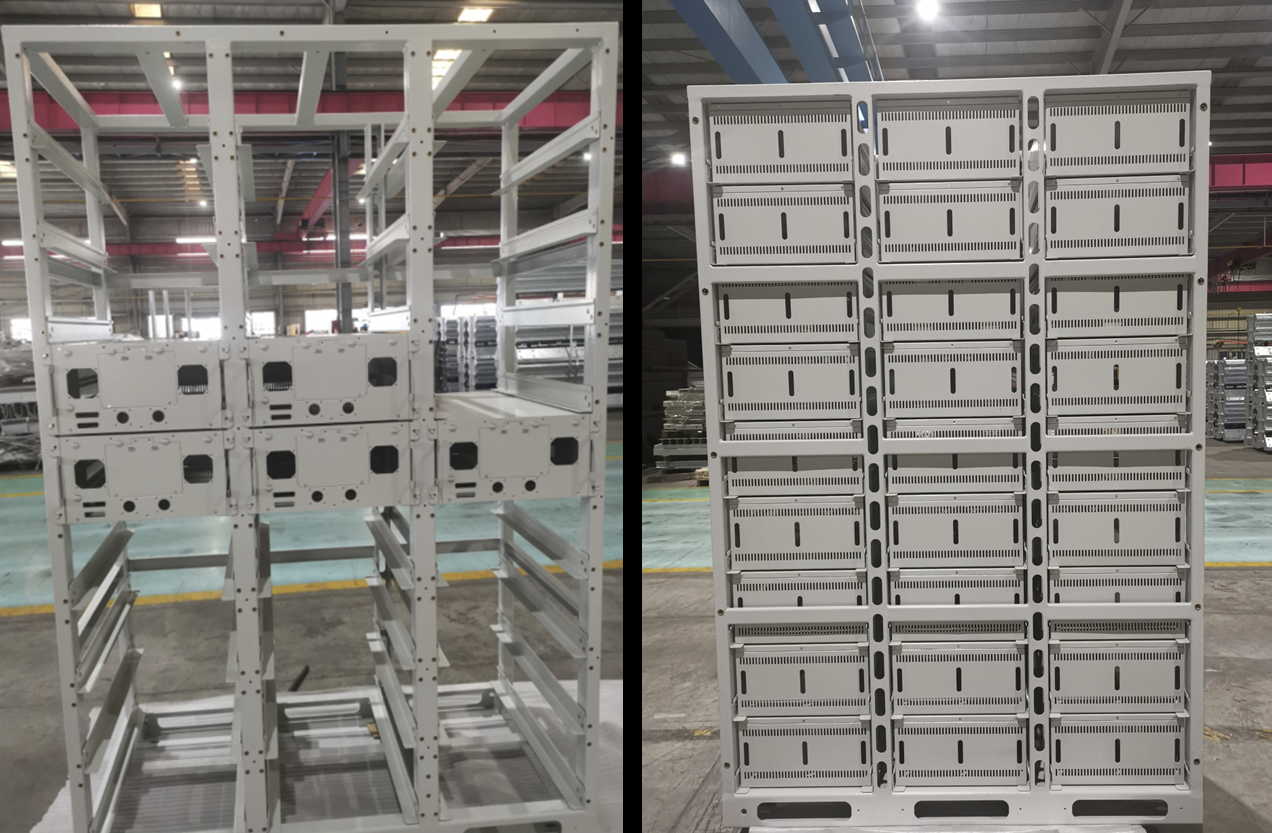
| Energy storage shelf and box | XHC-009 | 1.1 m × 1.1 m × 2.2 m; 1,000 kg per unit; steel tube, steel sheet, carbon steel; powder coating | Energy storage |
| Milling machine centre frame | DM-2608 | 2 m width × 2 m length; carbon steel; precision 0.01 mm per metre; CMM inspection | Machinery manufacturing |
| Precise steel frame | DM-612 | 4 m length × 1.5 m width; carbon steel; precision 0.01 mm per metre; galvanised; large machining after fabrication | Elevator manufacturing |
| Steel casting | Customized-R-02 | Cast steel / ZG35CrMo / ZG07Cr19Ni10; Ra 6.3–12.5 µm as cast; Ra 1.6–3.2 µm after machining; controlled normalising, quenching and tempering | Energy, mining, heavy machinery, pump casings, valve bodies |
| Wind Tree | Customized-C-09 | 9.8 m high; 7.2 m wide; 36 aeroleaves; 10.8 kW installed; start-up wind speed 2.5 m/s; typical annual output around 18,000 kWh; 25-year lifespan; Q345 | Urban wind power |
Custom fabrication and OEM/ODM support
Customisation is the default mode rather than an exception. Across most product families, dimensions, tolerances, materials, surface treatments and heat treatments can be customised per client requirement, and many components are described as custom parts, welded assemblies or machined structural components.
Drawing input is flexible. Openex accepts STEP, IGES, DWG, DXF, PDF and other 2D and 3D formats. For simple parts, 2D drawings alone are usually sufficient. For fast quotation, 2D and 3D drawings together are preferred — the company notes that quotations can sometimes be returned within one or two hours when both are supplied. 3D models alone are normally not enough, because tolerance information, welding requirements, surface roughness and chamfers, rolling direction, bend radius, material grade, heat treatment and finish specification are usually carried on the 2D drawing.
On the casting side, the company supports low pressure die casting, low pressure sand casting and precision investment casting, using AlSi7Mg cast aluminium alloy for GIS, auto parts and precision parts. The workflow runs from low pressure casting and T6 heat treatment through precision CNC machining, vacuum impregnation and surface coating. MAGMA casting simulation is used at project kickoff to validate structural integrity and reduce porosity risk, and the programme includes 100% NDT testing. For buyers, the relevant point is that a single contract and a dedicated project manager cover a multi-tier supply chain, rather than the buyer coordinating several vendors directly.
Manufacturing strength: heavy capacity and inspection
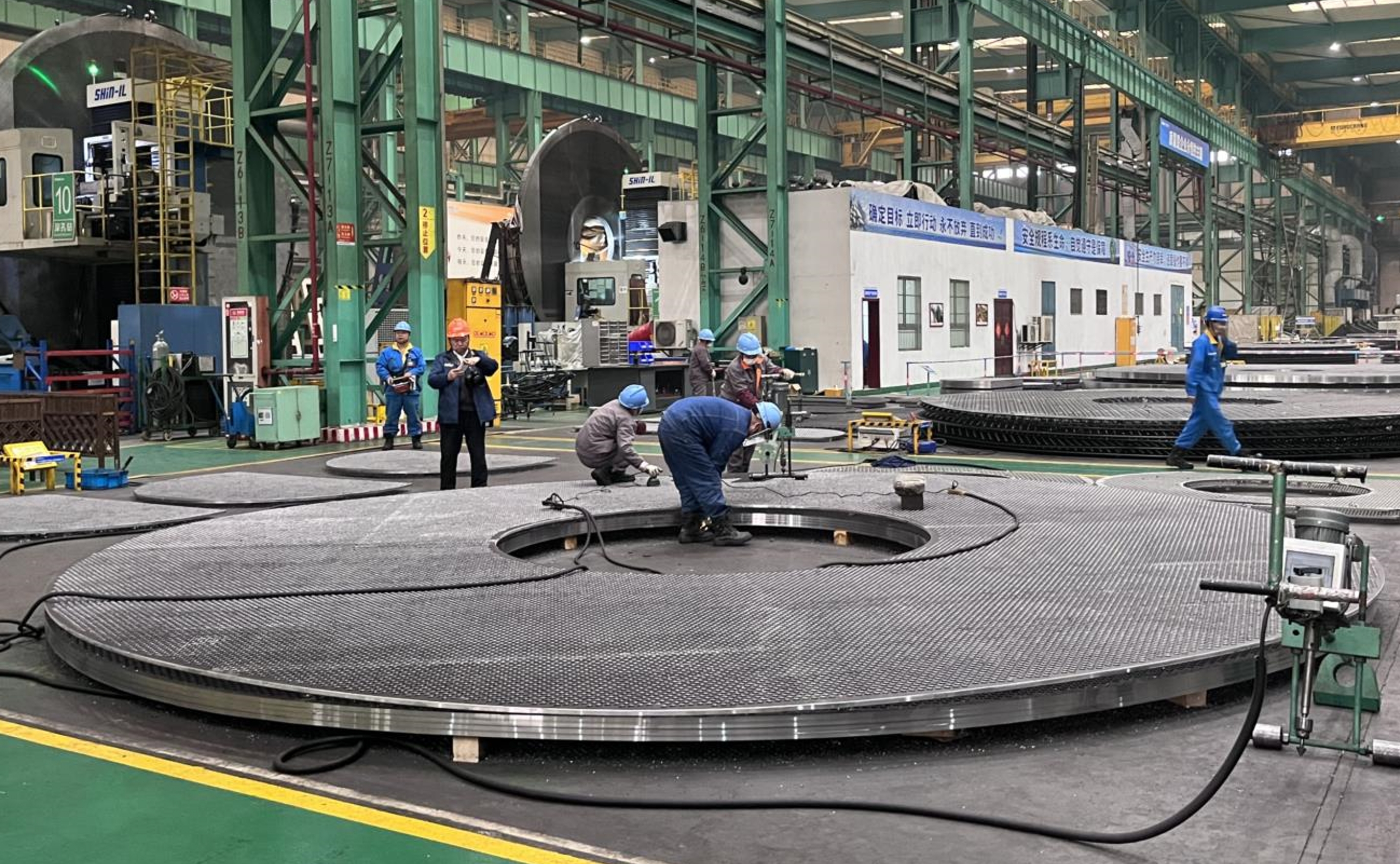
The clearest differentiator in Openex's published capability data is physical scale. Overhead crane tonnage exceeds 250 tons. The maximum bending machine length exceeds 18 metres with tonnage beyond 10,000 tons. The maximum CNC machine tool travel is up to 50 m × 8 m × 7 m. A large CMM documented in the company's own workshop records measures 7 m × 4 m × 3 m and is used to verify fabricated frames after welding and machining.
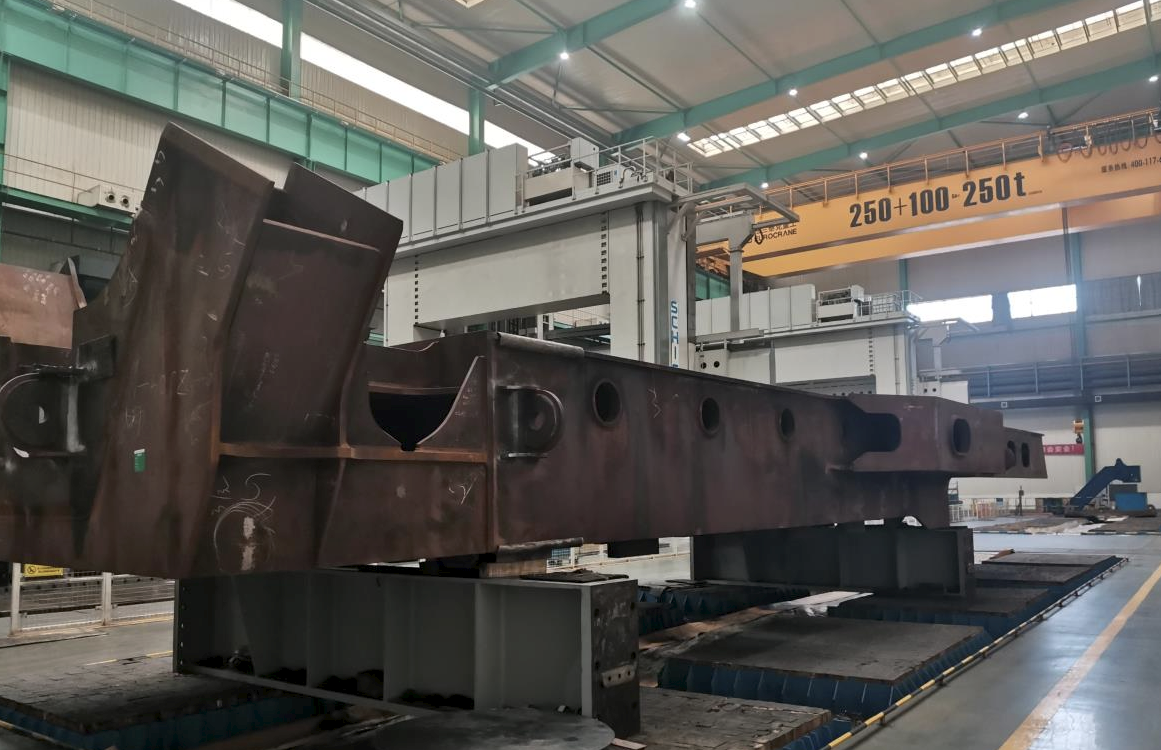
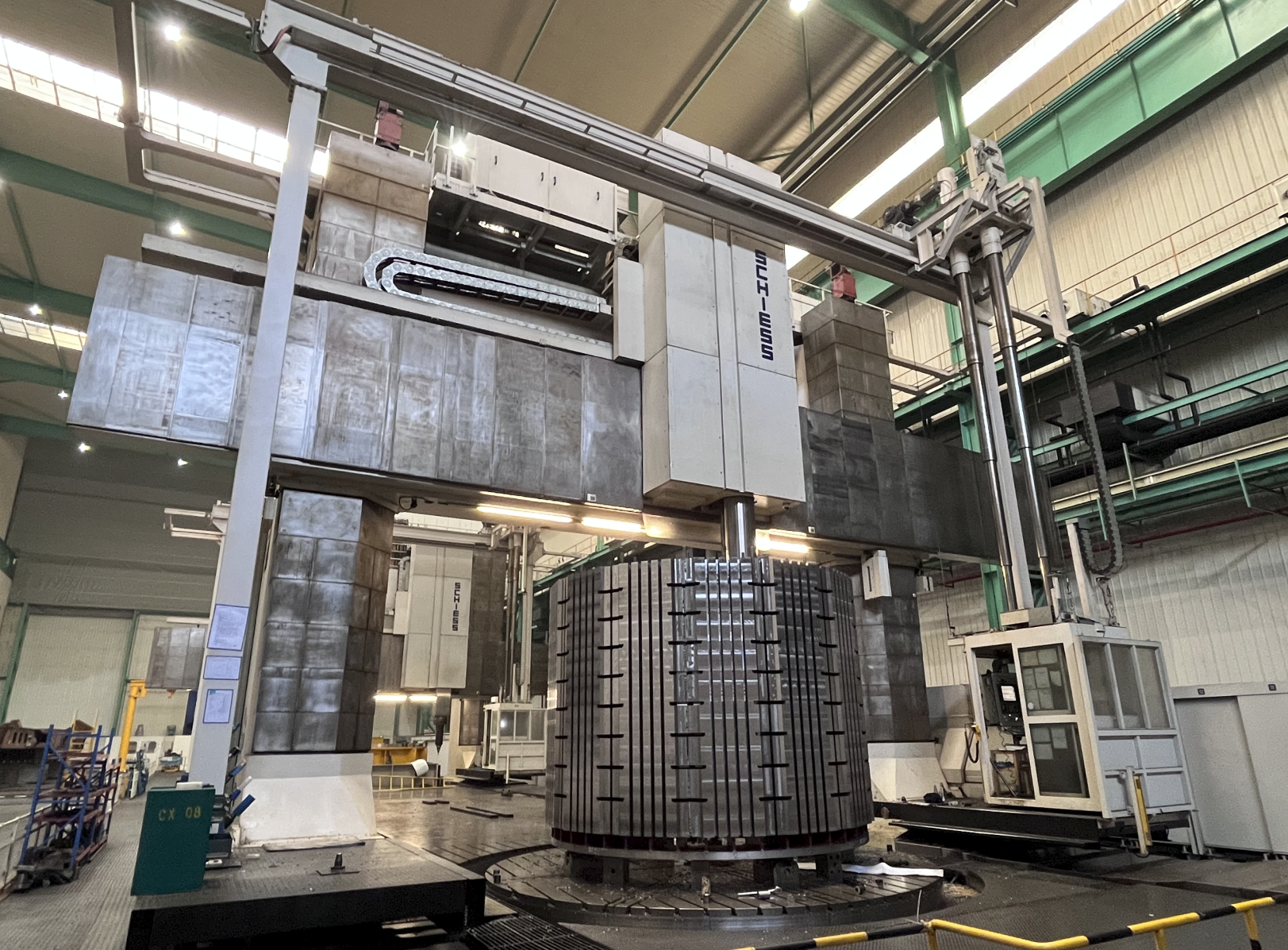
Inspection is designed around the product type rather than applied as a single blanket rule. Tube sheet production combines CNC machining and precision drilling with CMM measurement, UT, PT, MT and PMI inspection, and supports multi-plate simultaneous drilling. Pressure vessel and pipeline work is ASME-certified and uses non-destructive testing methods including TOFD, phased array, RT, UT, MT and PT. For high-volume small metal parts, the company developed its own visual inspection machines to achieve 100% checking, on the basis that machine-based inspection is more consistent than manual visual inspection for large batches.
Material sourcing is documented rather than assumed. For products such as the telescopic boom, raw material is sourced from established domestic steel mills with material test certificates supplied to support full traceability. Fabrication output is inspected at defined stages, and finished assemblies such as the Wind Tree are test-assembled before packing.
Step-by-Step: How a Project Moves Through Openex
For a buyer evaluating a first order, the workflow is easier to assess as a sequence than as a capability list.
- Drawing submission. The buyer sends 2D and/or 3D files in STEP, IGES, DWG, DXF or PDF format. Where available, a physical sample also helps clarify requirements.
- Review and quotation. Requirements such as tolerances, welding specification, surface roughness, material grade, heat treatment and finish are confirmed. With complete 2D and 3D data, a quotation can sometimes be issued within one or two hours.
- Material sourcing. Steel or alloy is purchased to the specified grade — for example Q235B, Q355B, Q690, NM450/NM500, SUS304 or SUS316L — with material certificates supporting traceability.
- Cutting and forming. Laser cutting, punching or stamping, and press brake bending produce the basic geometry. Long members such as the 8 m formed steel box section are produced with straightness controlled to 3.0 mm per 10,000 mm.
- Welding and assembly. Welded assembly follows the approved drawing, with procedures selected for the material and thickness involved. Components such as the chain conveyor frame for a car maker are assembled and tested as part of the scope.
- Post-weld machining. Where machined interfaces matter — machine frames, platens, crossbeams, weldments — large CNC machining follows welding so that tolerances are referenced to the final, stress-affected geometry rather than the pre-weld state.
- Inspection and testing. Dimensional checks are made by CMM where specified. Non-destructive testing, pressure testing or leak testing is applied according to the product type and the customer's requirements.
- Finishing, packing and shipment. Sand blasting, painting, galvanising or powder coating is applied, then parts are packed and consolidated for container or flat-rack shipment from Xiamen or Shanghai.
Use Cases: Where This Capability Set Fits
Openex fabrication appears in several industries where the combination of large welded structures and machined interfaces drives the supplier decision.
- Energy storage and power. Steel shelves and battery boxes for energy storage systems, modules measuring 1.1 m × 1.1 m × 2.2 m at 1,000 kg per unit; steel frames and shells for flywheel energy storage, where the shell is specified with high-strength steel plate and a vacuum performance target of better than 1.0 × 10⁻⁹ Torr L/s within 30 seconds. Energy storage cabinets are built with protection ratings of IP54, IP55 or IP65 and powder or anti-corrosion coating.
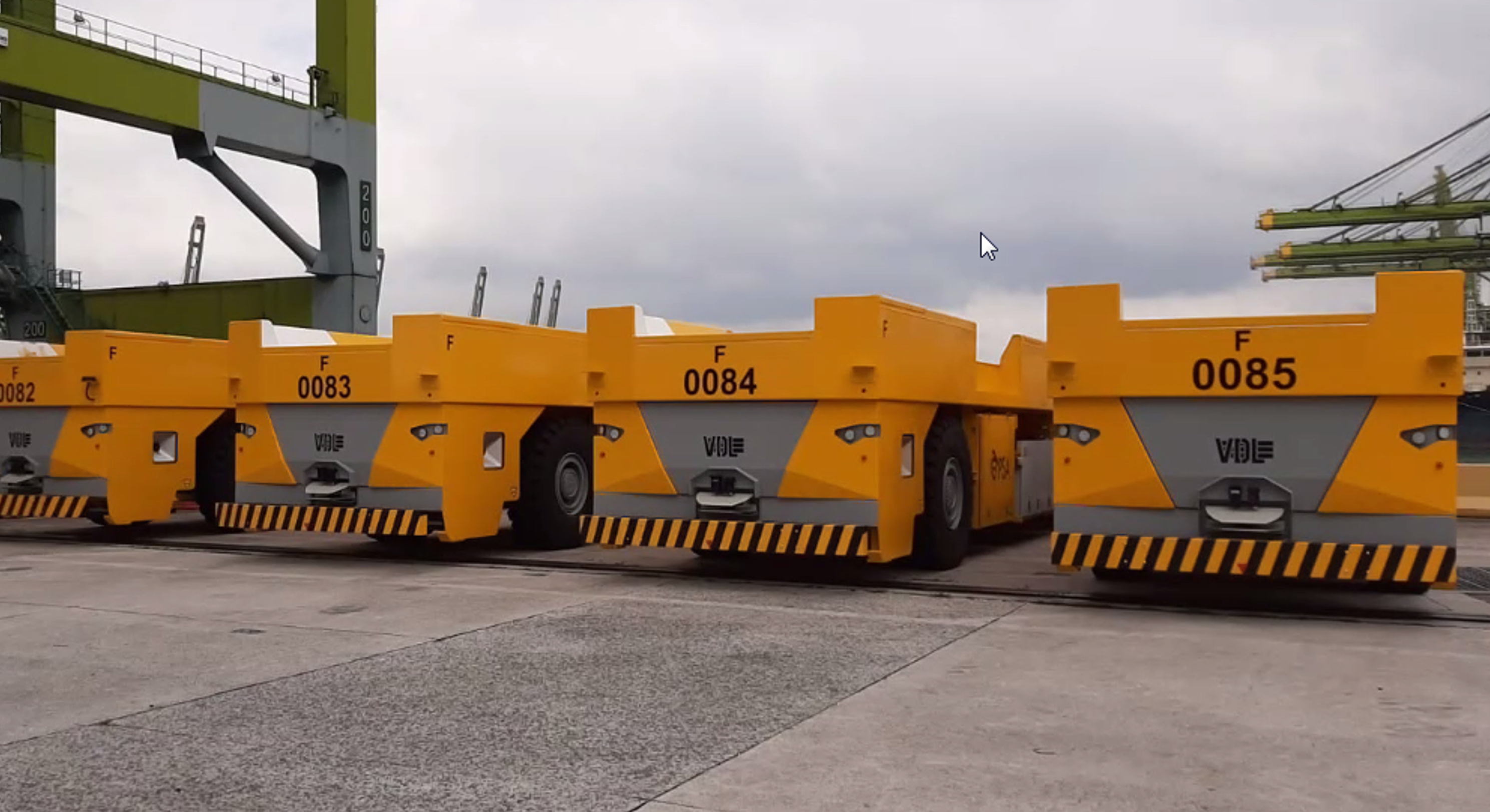
- Port and steel mill logistics. Container AGV chassis supplied for a Singapore container yard, measuring about 15 m × 2.7 m × 3 m, weighing 10.5 tons and rated for a 30-ton load, fabricated from S355JR (or A572 Grade 50) plate with NM400 abrasion-resistant plate. Steel coil handling chassis (model JFE-1) for a Japanese steel mill measure about 15 m × 2.5 m × 2.1 m, weigh 10 tons and carry a maximum load of 35 tons.
- Automotive production equipment. Chain conveyor steel frames for a Japanese car maker, using carbon structural steel with cutting, welding and CNC machining, supplied with assembly and testing included.
- Heavy machinery frames. Weldments and frames such as large equipment structural frames, heavy equipment skids for compressor and turbine bases, press frames, and crossbeams for press brakes and gantry machines — products where tolerance is expressed per metre of length rather than across the whole part.
- Mining and aggregates. Fabricated components for vibrating screens, cone crusher frames and structural parts, mill shells with diameters of 8–12 m and plate thickness of 40–100 mm, plus conveyor frames, ore storage structures, ladders and handrails.
- Process industry and renewables. Tube sheets, feed surge drums, prefabricated pipe spools, storage containers in clad plate, and renewable energy structures such as solar panel supports and the Wind Tree urban wind unit.
Comparison Table: In-House Versus Sourced Processes
The table below separates what Openex performs itself from what is delivered through partner suppliers, and states the procurement implication of each line. This is the practical answer to the question of how much of a project a buyer is really placing with one contractor.
| Operation | Executed by | What it means for the buyer |
|---|---|---|
| Laser cutting, punching, stamping | In-house | Blank quality and edge condition are controlled directly; schedule changes at this stage do not depend on a third party |
| Bending and roll forming | In-house | Long and thick members can be formed without transport between vendors |
| Welding and assembly | In-house | Welding quality and fit-up accountability sit with one contractor |
| CNC machining, including post-weld machining | In-house | Tolerances are generated after welding, which reduces tolerance stacking problems across vendors |
| Drilling, including deep tube hole drilling | In-house | Tube sheet drilling to ±0.05 mm precision with CMM verification |
| Assembling and packaging | In-house | Assembly, testing and export packing are controlled before shipment |
| Casting and forging | Partner suppliers | Suitable when casting or forging is a supporting process within a fabrication scope; if it is the whole scope, a specialist foundry is the better route |
| Hot dip galvanising, powder coating, other anti-rust finishes | Partner suppliers | Finish specifications should be confirmed at order stage, as with any outsourced surface treatment |
A second comparison is between representative delivered projects, which shows the range of reference configurations a buyer can benchmark against.
| Reference project | Model | Verified data point | Sector |
|---|---|---|---|
| Steel chassis for steel coil transport | JFE-1 | 10 tons dead weight; maximum load 35 tons; about 15 m × 2.5 m × 2.1 m | Steel mill logistics, Japan |
| Container AGV steel chassis | PSA-1 | 10.5 tons; loading capacity 30 tons; 15 m × 2.7 m × 3 m | Port container yard, Singapore |
| Chain conveyor steel frame | MBM-1 | Carbon structural steel; cutting, welding and CNC machining; assembling and testing included | Car making, Japan |
| Large industrial weldment | Custom-L-5 | Envelope up to 6,000 × 3,000 × 2,500 mm; plate 20–80 mm; 15–40 tons; general tolerance ±0.20 mm | Heavy equipment, aerospace and defence |
| Ultra-long formed steel box section | Custom-L-1 | Length 8,000 mm; plate thickness 6 mm; straightness 3.0 mm per 10,000 mm or better | Construction machinery, ports and logistics |
| Thermal vacuum chamber | Custom-L-8 | External diameter about 2,743 mm; stainless steel 304L; operating pressure 1 × 10⁻⁶ to 1 × 10⁻⁷ Torr | Aerospace and space exploration |
FAQ: Metal Fabrication Suppliers
Are you a manufacturer or a supplier? Can you provide factory photos, workshop videos and certificates?
Openex is a metal fabricator, not a trading company. It operates two manufacturing premises — one near Xiamen Port in Zhangzhou, Fujian, and one near Shanghai Port in Taizhou, Jiangsu. The company states that it produces 80–90% of the metal parts, components and assemblies it exports from China in-house, with the balance sourced from partner suppliers. Procedures performed in-house include laser cutting, bending, machining, welding, drilling, punching, stamping, assembling and packaging. Casting, forging, hot dip galvanisation, powder coating and other anti-rust finishes are carried out by partners. Workshop records and factory photographs are published across its website and blog, and material test certificates accompany production where traceability is required.
What metal materials can you process for fabrication projects?
Openex can fabricate most metals, including brass, bronze and aluminium, although carbon steel and stainless steel dominate the projects it receives. The most frequently processed carbon steel families are Q235B (A36, SS400, S235JR) and Q355B (A572 Grade 50, SS490/SPCC, S355JR); grades such as Q690 and NM450/NM500 are also within regular scope. In stainless steel, SUS304 and SUS316L are the two most common grades. Where special-grade castings or forgings are required, the company works with long-term partners to cover those processes.
What drawing formats do you accept?
STEP, IGES, DWG, DXF, PDF and other 2D and 3D drawing formats are accepted. For simple parts, a 2D drawing alone is usually sufficient to quote. Supplying 2D and 3D drawings together is preferred and allows the fastest response — in some cases a quotation is returned within one or two hours. 3D models alone are normally not enough, because tolerance information, welding requirements, surface roughness and chamfers, the rolling direction of the plate, bend radius, material grade, heat treatment and stress relief, and finish specification such as hot dip galvanisation, sand blasting, painting or powder coating are typically carried on the 2D drawing. In some cases 2D and 3D drawings are both required. A physical sample, where available, also helps clarify the requirement.
What is your MOQ, and how should a first order be sized?
There is no fixed MOQ figure, but order economics are real. Full container load shipment reduces freight cost compared with less-than-container load; overhead cost spread across a larger quantity is lower per unit; larger quantities allow better material purchase pricing; and repeated ordering supports stable pricing and consistent quality. The company's stated preference is large parts and components shipped in container-load quantities. Very small parts in very small quantities are generally not economical to source from China, because buyer and supplier spend similar time on communication and logistics regardless of order value, although such orders may be accepted on a standby basis when no other supplier is suitable.
How large a part can Openex fabricate, and what happens if my project needs a process it does not perform in-house?
Documented heavy capacity includes overhead crane tonnage above 250 tons, bending machines with maximum length over 18 metres and tonnage over 10,000 tons, and CNC machine tool travel up to 50 m × 8 m × 7 m. Delivered references include a 42-metre regenerator with 3,600 mm diameter, a regenerative air heater 8.5 m in diameter and 17.5 m in length weighing up to 95 tons, and grinding mill shells with diameters of 8–12 m. Where a project requires only casting, forging or anti-rust finishing with no fabrication or machining content, Openex advises buying directly from the relevant specialist factory rather than routing the work through a fabricator. For projects that do involve fabrication and machining as the main scope, sending 2D and 3D drawings for a design-for-manufacturability review and quotation is the fastest way to confirm technical fit; the company's full capability brochure can be downloaded here.
Conclusion: How to Position Openex in a Supplier Shortlist
Openex occupies a specific position in the custom metal fabrication market. It is not a general-purpose sheet metal shop, and it is not a pure casting or forging foundry. Its capability profile centres on custom fabrication and machining of medium-to-large metal parts, components and assemblies, supported by heavy lifting and large CNC machining capacity that allow welded structures to be machined to tolerance after welding rather than before.
For procurement teams, the strongest evidence points are concrete rather than promotional: two plants positioned near major Chinese export ports, 30,000 m² of production space, 200 employees supported by 35 engineers, roughly 20,000 tons of annual fabricated output, an 80% export share, ASME-certified fabrication on vessel and piping work, documented non-destructive testing methods, and reference deliveries ranging from a 10-ton steel coil chassis for a Japanese steel mill to a 42-metre regenerator vessel for petrochemical service.
The limitations are equally clear and should be factored into the shortlist. Casting, forging, hot dip galvanisation and powder coating are delivered through partners rather than in-house, so a project consisting only of those operations belongs with a specialist. Several product parameters in the public data are reference configurations subject to drawing approval or structural analysis. Very small parts in very small quantities do not fit the commercial model.
Where the fit is genuine — a project in energy storage, mining, port logistics, process equipment, heavy machinery or renewable energy structures where fabrication and machining are the main scope, and where order volume supports container shipment — the company's combination of heavy envelope, in-house post-weld machining and documented inspection makes it a reasonable candidate for technical evaluation. The next practical step is a drawing-based assessment rather than a catalogue comparison.
Request a quotation or download the capability brochure
Send your 2D and 3D drawings (STEP, IGES, DWG, DXF or PDF) for a fabrication review and quotation. Openex supplies custom metal fabrication and machining from two plants near Xiamen Port and Shanghai Port, exporting to the EU, USA, Australia, New Zealand, Japan, Singapore, South America and the Middle East.
Contact: Luna · Email: sales2@openex.com.cn · Tel / WhatsApp: +86 150 6078 7506 · Website: www.cncmetalworking.com
Capability brochure (PDF): Openex Machinery Brochure
Have Questions or Need More Details?
Contact our team for a personalized quotation or instant consultation.
Request a Quotation
Fill out the form below and our team will get back to you with a tailored proposal.
WhatsApp Direct Chat
Prefer to chat in real-time? Message us on WhatsApp for instant assistance & quick answers.
- Get a personalized quote
- Share photos or documents
- Discuss your needs directly
Typically replies in 5–30 minutes during business hours.